
“Long before the Super Bowl, the World Cup, or the Olympics, there was Cahokia—where thousands gathered to witness athletic spectacles that would make modern sports fans envious.”

The Lost Civilization That Rivaled Medieval London
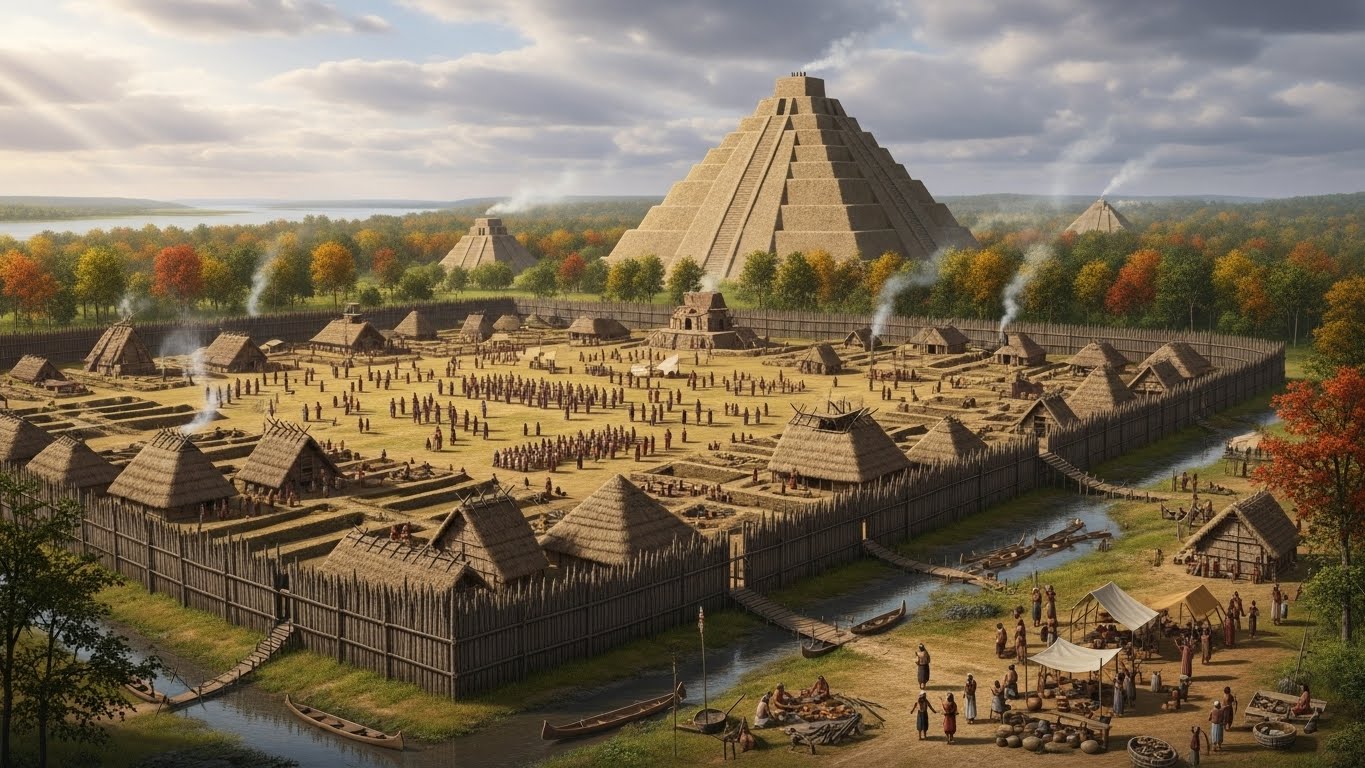
Imagine a bustling metropolis of 20,000 people, complete with massive earthen pyramids, elaborate plazas, and sporting arenas that hosted thousands of spectators. Now imagine this city existed in what is now Illinois—centuries before Columbus ever set sail.
Welcome to Cahokia, the largest pre-Columbian city north of Mexico, where ancient Americans didn’t just survive—they thrived, competed, and created a sports culture that would influence Indigenous communities for centuries to come.
Quick Facts About Cahokia
- Peak Population: 20,000-40,000 people (1050-1200 CE)
- Size: Larger than medieval London
- Location: Near present-day St. Louis, Illinois
- Legacy: 120 earthen mounds, including Monks Mound (100 feet tall)
- Sports Influence: Birthplace of Chunkey, one of America’s oldest recorded games
Chunkey: The Ancient Game That Captivated a Continent
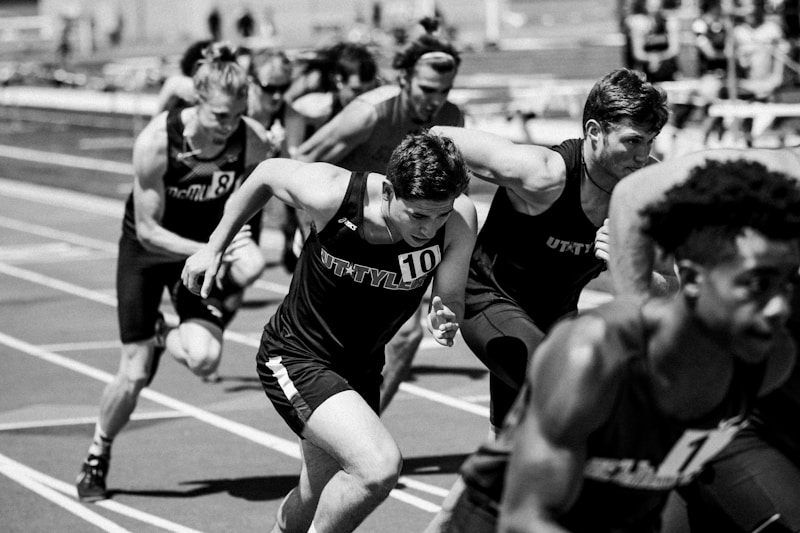
If there was one sport that defined Cahokia, it was Chunkey—a fast-paced, high-stakes game that combined skill, strategy, and spectacle in ways that would make modern sports marketers jealous.
How Chunkey Was Played
- The Stone: Players used a carefully crafted stone disc, 3-4 inches in diameter, polished to perfection
- The Roll: One player would roll the chunkey stone across a smooth, clay court
- The Throw: As the stone rolled, players would throw spears or poles, trying to land them where the stone would stop
- The Score: Points were awarded based on how close the spear landed to the resting stone
- The Stakes: Players often wagered everything—possessions, status, even entire villages
Historical Note: When European explorers first witnessed Chunkey in the 1700s, they were amazed by the skill level and the massive crowds it drew. Some Indigenous players were so skilled they could predict exactly where the stone would stop rolling!
The Great Cahokia Stadium: Ancient America’s Sports Complex
Cahokia wasn’t just playing games in backyards. Archaeological evidence suggests they built dedicated sporting complexes with:
| Feature | Description |
|---|---|
| Chunkey Courts | Smooth clay surfaces, up to 200 feet long, meticulously maintained |
| Viewing Areas | Earthen embankments where spectators could watch games |
| Grand Plazas | 40-acre open spaces for ceremonies and mass gatherings |
| Sacred Poles | Woodhenges (circular timber monuments) marking astronomical events and game schedules |
Beyond Chunkey: Other Ancient Sports of Cahokia
Stickball: The Original American Sport
Long before lacrosse became Canada’s national sport, Indigenous Americans at Cahokia were playing stickball—a rough, physical game that could involve hundreds of players and last for days.
Physical Aspects
- Full-contact gameplay
- Teams of 100+ players
- Fields up to a mile long
- Games lasting multiple days
Cultural Significance
- Settled tribal disputes
- Religious ceremonies
- Warrior training
- Community bonding
The Double Ball Game: Women’s Athletics in Ancient America
Contrary to modern assumptions about ancient gender roles, Cahokian women had their own competitive sports. The double ball game featured two balls tied together with a cord, which players would catch and throw using sticks—requiring incredible coordination and teamwork.
Why These Ancient Sports Matter Today
The Cultural Legacy
These weren’t just games—they were sophisticated cultural institutions that:
- Maintained social order and hierarchy
- Provided alternatives to warfare
- Created economic opportunities through betting and trade
- Reinforced spiritual and cosmological beliefs
- United diverse communities under common traditions

The Mystery of Cahokia’s Decline
By 1400 CE, Cahokia was abandoned. The great mounds stood empty, the chunkey courts fell silent, and the massive plazas returned to wilderness. Theories for the decline include:
Environmental Factors
Deforestation, soil depletion, and climate change
Political Upheaval
Internal conflicts and loss of central authority
Resource Depletion
Overpopulation and unsustainable practices
But the sports and traditions didn’t die—they spread across North America, carried by migrants to distant tribes, evolving and adapting to new cultures.
Modern Connections: From Chunkey to Cornhole
Believe it or not, modern backyard games like cornhole, horseshoes, and even bowling share DNA with ancient Cahokian sports. The principle of rolling or throwing objects toward a target with precision has captivated humans for millennia.
Some Indigenous communities today are working to revive chunkey and other traditional games, reclaiming their cultural heritage and teaching new generations about their ancestors’ sophisticated sporting traditions.
Want to Dive Deeper into Cahokia’s Fascinating History?

Our comprehensive video on the History Candle YouTube Channel takes you on a visual journey through Cahokia’s rise and fall, featuring:
- ✓ 3D reconstructions of ancient Cahokia
- ✓ Expert archaeological insights
- ✓ Demonstrations of how chunkey was played
- ✓ Comparisons to other ancient civilizations
- ✓ Rare historical accounts and artifacts
WATCH THE FULL DOCUMENTARY NOW
Don’t forget to subscribe to History Candle for more fascinating stories from ancient civilizations!
Frequently Asked Questions About Cahokia’s Ancient Sports
How do we know these games were played at Cahokia?
Archaeological evidence includes chunkey stones found in burials, smooth clay courts discovered through excavation, and historical accounts from European explorers who witnessed these games being played by Indigenous descendants of Cahokians.
Can you still play chunkey today?
Yes! Some Indigenous communities and historical societies host chunkey demonstrations and tournaments. The game has seen a revival as Native Americans reclaim their ancestral traditions.
Why was Cahokia abandoned?
The exact reasons remain debated, but likely factors include environmental degradation, climate change, resource depletion, and political fragmentation. The population didn’t disappear—they migrated and integrated with other Indigenous groups.
How does Cahokia compare to other ancient American civilizations?
While the Maya and Aztecs are more famous, Cahokia was the largest and most complex society north of Mexico during its time. Its influence spread across the Mississippi River valley and beyond.
Final Thoughts: Honoring the Athletes of Ancient America
The story of Cahokia’s ancient sports is more than a fascinating historical footnote—it’s a reminder that complex, sophisticated cultures thrived in North America long before European contact. These athletes weren’t primitive people playing simple games; they were skilled competitors in a society that valued athleticism, strategy, and spectacle.
Every time you watch a sporting event, remember that the human love of competition, the thrill of the game, and the communal joy of spectating connect us to ancestors who gathered in Cahokia’s great plazas over 700 years ago.
Ready to Explore More?
Join thousands of history enthusiasts who have already discovered the incredible story of Cahokia and its ancient sporting traditions.
Share this article:
Facebook | Twitter | Pinterest | LinkedIn
Subscribe to History Candle on YouTube for more amazing stories from ancient civilizations