
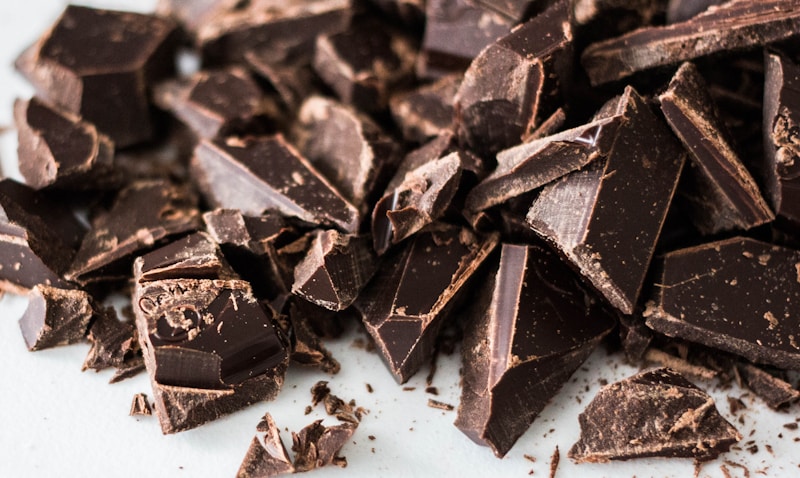
Cacao beans: Ancient treasure more valuable than gold
Imagine a world where your morning chocolate could buy you a slave, a rabbit, or even pay your taxes. In ancient Mesoamerica, cacao beans weren’t just ingredients for a divine beverage—they were the backbone of entire economies, more precious than gold itself.
The Divine Bean: Why Cacao Was So Valuable
The story of cacao as currency begins with the ancient civilizations of Mesoamerica—the Olmecs, Maya, and Aztecs. These societies recognized something extraordinary in the humble cacao bean that went far beyond its delicious taste.
Did You Know?
The Aztecs believed cacao was a gift from Quetzalcoatl, the feathered serpent god. The beans were so sacred that only the elite could consume the chocolate beverage made from them.
Fresh cacao pods growing on the tree
The Economics of Chocolate: What Could Cacao Buy?
The purchasing power of cacao beans in the Aztec Empire was carefully documented by Spanish conquistadors and missionaries. The exchange rates reveal a fascinating glimpse into ancient economics:
| Item | Price in Cacao Beans |
|---|---|
| One Turkey | 100 beans |
| One Rabbit | 10 beans |
| One Avocado | 3 beans |
| One Tamale | 1 bean |
| Services of a Slave | 100 beans |
| A Good Cotton Cloth | 65-100 beans |
These weren’t arbitrary values—they represented a sophisticated economic system where cacao served as a standardized medium of exchange accepted throughout the empire.
Why Cacao Made Perfect Money
Dried cacao beans ready for trade
Economists identify several key characteristics that make something suitable as currency. Remarkably, cacao beans possessed most of these qualities:
Portable
Small and lightweight, easy to carry in large quantities
Divisible
Individual beans could be counted for precise transactions
Universally Accepted
Recognized and valued across multiple civilizations
Scarce
Only grew in specific tropical regions, couldn’t be easily counterfeited
The Dark Side: Counterfeiting in the Cacao Economy
Where there’s valuable currency, there’s crime. Ancient Mesoamerican counterfeiters developed clever schemes to defraud unsuspecting traders. Some would hollow out cacao shells and fill them with dirt or clay, while others would use similar-looking seeds from different trees.
Ancient Fraud Alert
The punishment for cacao counterfeiting was severe—often death or enslavement. The economic stability of empires depended on maintaining trust in their chocolate currency.
From Currency to Conquest: The Spanish Encounter
Traditional chocolate beverage preparation
When Spanish conquistadors arrived in the Americas, they were initially baffled by the indigenous obsession with cacao. Hernán Cortés, observing Aztec Emperor Moctezuma’s lavish consumption of chocolate drinks, quickly recognized its economic significance.
The Spanish documented elaborate tribute systems where conquered territories paid taxes in cacao beans. The Aztec capital of Tenochtitlan received annual tributes of millions of cacao beans from subject peoples—a testament to the bean’s economic importance.
Cacao vs. Gold: The Ultimate Comparison
While the Spanish conquistadors lusted after gold, indigenous peoples had a different perspective on wealth. Consider these fascinating contrasts:
| Characteristic | Cacao | Gold |
|---|---|---|
| Daily Usability | ✅ High | ❌ Low |
| Consumable | ✅ Yes | ❌ No |
| Religious Significance | ✅ Sacred | ⚠️ Decorative |
| Accessibility | ✅ Widely traded | ❌ Elite only |
| Practical Value | ✅ Nutrition + currency | ⚠️ Ornamental |
The Legacy: How Cacao Shaped Modern Chocolate
The monetary value of cacao didn’t disappear overnight. Well into the colonial period, cacao beans continued to circulate as currency in parts of Central America. Some regions used them for small transactions into the 19th century.
Today’s global chocolate industry—worth over $130 billion annually—is the direct descendant of this ancient cacao economy. The reverence ancient peoples held for these beans echoes in our modern obsession with fine chocolate.
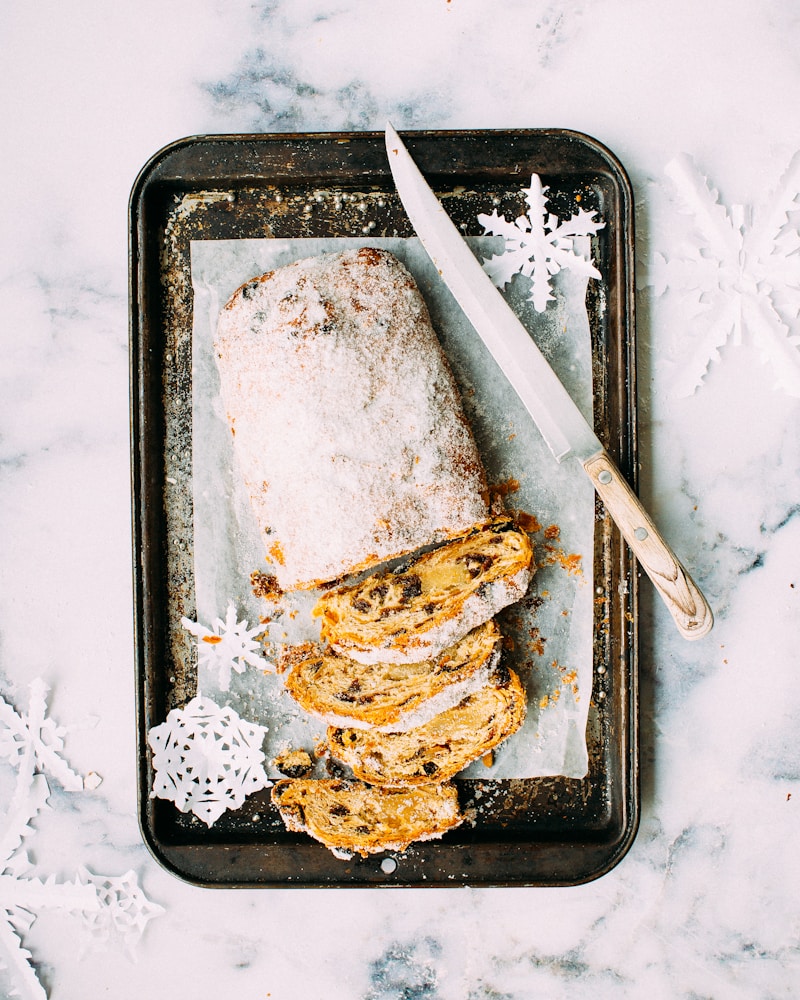
From ancient currency to modern delicacy
Fascinating Facts About Cacao Currency
- 🌳 Limited Growing Regions: Cacao only grows 20 degrees north and south of the equator, making it naturally scarce
- 👑 Royal Tribute: Moctezuma’s palace received tribute of 2,000 containers of chocolate daily
- 💰 Tax Payments: Many regions paid annual taxes entirely in cacao beans
- ⚔️ Warrior Rewards: Aztec warriors were paid in cacao beans for their military service
- 📜 Written Records: The Aztec Codex Mendoza meticulously recorded cacao tributes from conquered territories
The End of an Era
The Spanish colonial system gradually replaced cacao with European currencies, but the transition took centuries. The arrival of disease, the collapse of indigenous populations, and the imposition of Spanish economic systems ultimately ended the reign of chocolate money.
Yet the story of cacao currency offers profound insights into how different cultures value wealth. For the ancient Mesoamericans, true wealth wasn’t just about accumulation—it was about having something with both spiritual significance and practical utility.
Want to Dive Deeper Into This Sweet History?
Discover the complete fascinating story of how chocolate shaped empires, influenced wars, and changed world history in our comprehensive video documentary.
▶ Watch Full Video on History Candle
🔔 Don’t forget to subscribe for more fascinating historical content!
Conclusion: The Sweet Lessons of History
The story of cacao as currency reminds us that value is culturally constructed. What seems ordinary today—a chocolate bar—was once considered more precious than gold by sophisticated civilizations that built empires, developed complex mathematics, and created astronomical calendars of remarkable precision.
Next time you enjoy a piece of chocolate, remember: you’re consuming what was once literal money, a divine gift, and the economic foundation of great empires. In that humble chocolate bar lies the history of human civilization, trade, conquest, and our eternal quest for both sustenance and delight.
💡 Final Thought: The ancient Mesoamericans understood something profound—the best currency isn’t just something you can trade, but something that nourishes the body, delights the senses, and connects you to the divine. In our modern world of digital transactions and cryptocurrency, perhaps there’s wisdom to be found in chocolate money after all.
Enjoyed this article? Share it with fellow history enthusiasts!
For the complete story with stunning visuals and expert analysis, watch our full documentary: