
When we think of Ancient Egypt, our minds conjure images of golden pyramids piercing azure skies, powerful pharaohs adorned in jewels, and mysterious hieroglyphics etched into limestone walls. But beneath this glamorous veneer lies a far more complex and often brutal reality that millions of ancient Egyptians faced daily.
The Pyramid Builders: Not Slaves, But Still Suffering
Contrary to popular Hollywood depictions, recent archaeological evidence reveals that the pyramids weren’t built by slaves but by paid laborers. However, this doesn’t mean their lives were easy. These workers endured backbreaking labor in scorching desert heat, moving limestone blocks weighing up to 2.5 tons without modern machinery.
The skeletal remains found near the Giza pyramids tell a sobering story. Workers suffered from arthritis, spinal injuries, and fractures that never properly healed. Many died young, their bodies worn out by relentless physical demands. The “privilege” of building monuments for eternity came at an enormous personal cost.
Daily Life: A Struggle for Survival
While pharaohs dined on exotic meats and fine wines, the average Egyptian subsisted on a monotonous diet of bread, beer, onions, and occasionally fish. Bread was the cornerstone of Egyptian cuisine, but it came with a hidden danger: sand and grit from grinding stones wore down teeth to the roots, causing excruciating dental problems that plagued Egyptians of all social classes.
Water from the Nile, though life-giving, carried parasites and diseases. Schistosomiasis, a debilitating parasitic infection, afflicted countless Egyptians, causing organ damage and chronic pain. Life expectancy hovered around 30 to 35 years, with many children never reaching adulthood.
The Brutal Justice System
Ancient Egyptian law was swift and merciless. Crimes were punished with beatings, mutilation, or execution. Corruption among officials was theoretically prohibited but practically rampant, as those with wealth and connections could often avoid consequences. For the poor, justice was a luxury they couldn’t afford.
Tomb robbers faced particularly gruesome fates. If caught, they might be impaled on stakes as a warning to others. The irony is that many robbers were the same workers who had built these tombs, driven to theft by poverty after the construction projects ended.
Women and Children: Vulnerable Lives
While Egyptian women enjoyed more rights than their counterparts in other ancient civilizations, they still lived in a patriarchal society where their value was largely measured by their ability to bear children. Childbirth was incredibly dangerous, with maternal mortality rates devastatingly high.
Children were put to work as soon as they were able, helping with farming, craft-making, or household chores. Education was reserved for the elite few who would become scribes or priests. The majority of Egyptian children grew up illiterate, destined to follow in their parents’ footsteps of manual labor.
Disease and Medicine: Hope and Helplessness
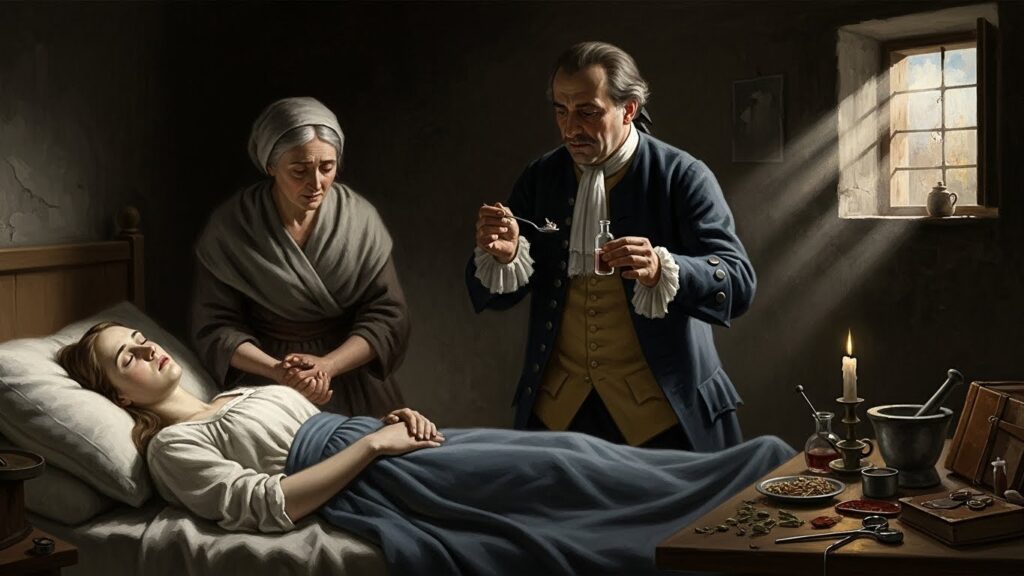
Ancient Egyptian physicians were among the most advanced of their time, developing surgical techniques and creating over 700 medicinal remedies. Yet their knowledge was limited. They couldn’t treat bacterial infections, set complex fractures properly, or cure the parasitic diseases that swept through communities.
Malaria, tuberculosis, and smallpox ravaged the population. Infant mortality was heartbreakingly common, with nearly half of all children dying before age five. Even the wealthy couldn’t buy immunity from disease; King Tutankhamun himself suffered from malaria and bone disorders.
The Dark Side of Mummification
The mummification process, romanticized in modern culture, was actually a grisly procedure reserved mainly for the wealthy. Embalmers removed organs through incisions, pulled brains out through the nose with hooks, and soaked bodies in natron for 40 days. The entire process took 70 days and cost a fortune.
For common Egyptians, burial was far simpler and less dignified. Bodies were often wrapped in reed mats and buried in shallow graves in the desert, where the hot, dry sand naturally preserved them to some degree.
Social Hierarchy: An Inescapable Pyramid
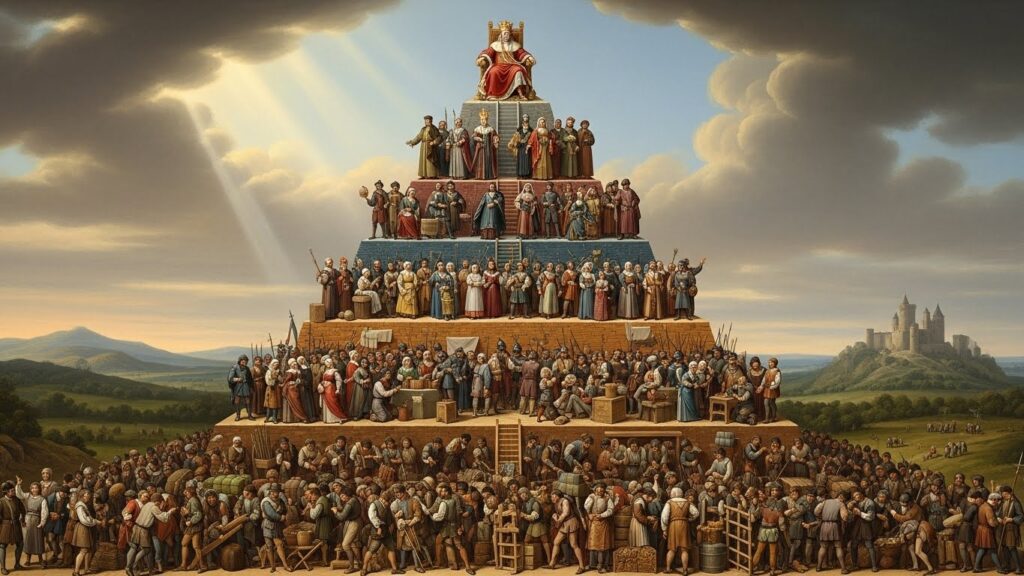
Egyptian society itself was structured like a pyramid, with the pharaoh at the apex and slaves at the base. Social mobility was nearly impossible. If you were born a farmer, you died a farmer. If you were born into nobility, you enjoyed privileges and luxuries that would never be accessible to those below you.
This rigid class system meant that talent and ambition rarely translated into improved circumstances. The scribes who could read and write held prestigious positions, but access to education was restricted, keeping the majority of the population illiterate and powerless.
Why Understanding These Realities Matters
The pyramids, temples, and artifacts that survived millennia are testaments to human ingenuity and determination. But they’re also monuments built on the backs of ordinary people who suffered, struggled, and sacrificed. Understanding their harsh realities doesn’t diminish ancient Egypt’s achievements; it humanizes them.
These ancient Egyptians weren’t just faceless laborers or exotic figures from a distant past. They were real people with hopes, fears, and families. They endured pain, fought against disease, and persevered through conditions that would break most modern individuals.
Discover the Full Story
The harsh realities of Ancient Egypt go far deeper than what can be captured in a single article. From the shocking medical procedures performed without anesthesia to the political conspiracies that toppled dynasties, there’s so much more to uncover about life behind the pyramids.
Want to explore the complete picture of Ancient Egypt’s hidden truths?
Watch the full in-depth documentary on the History Candle YouTube Channel: Ancient Egypt: The Harsh Realities Behind the Pyramids
This comprehensive video takes you beyond the golden masks and grand monuments to reveal what life was really like for the millions who lived, worked, and died in the shadow of the pyramids. Featuring archaeological evidence, expert analysis, and stunning visuals, it’s a journey into the authentic ancient Egypt that history books often overlook.
Subscribe to History Candle for more eye-opening historical content that separates myth from reality and brings the past to life in ways you’ve never experienced before.