
Discover the fascinating truth about how our ancestors truly rested in the Middle Ages

Did you know? Before the Industrial Revolution, humans didn’t sleep in one continuous stretch. Medieval people practiced “segmented sleep” – sleeping in two distinct phases each night with a wakeful period in between.
What Was Segmented Sleep?
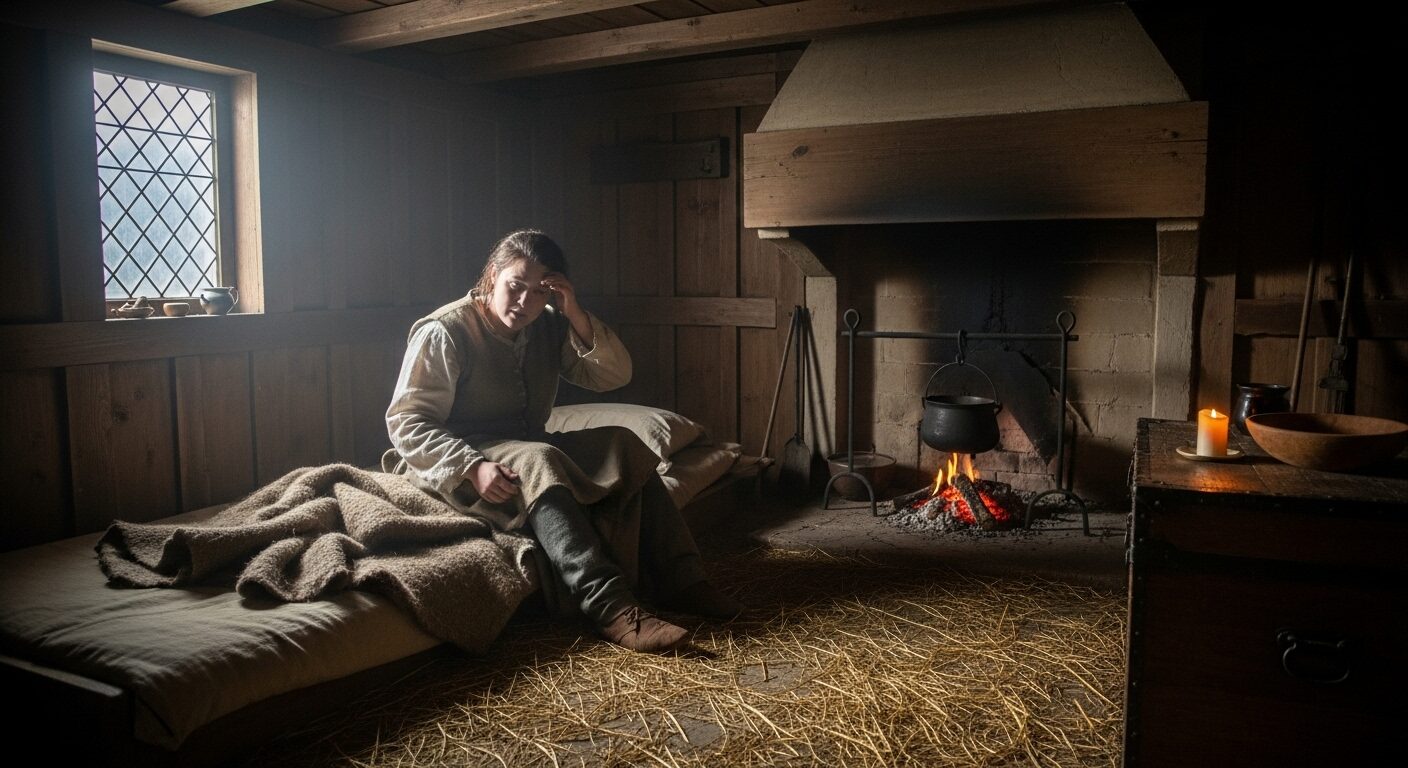
Segmented sleep, also known as biphasic sleep or divided sleep, was the dominant sleep pattern throughout human history until the modern era. Medieval Europeans would typically go to bed shortly after dusk, sleep for approximately four hours in what they called “first sleep,” wake for one to two hours in the middle of the night, and then return to bed for their “second sleep” until dawn.
This wasn’t considered unusual or problematic. Historical records from the medieval period through the early 19th century contain hundreds of references to first and second sleep, suggesting this pattern was completely normal and widely accepted across different social classes.

The Science Behind Biphasic Sleep
Modern sleep research has revealed fascinating insights into why segmented sleep may have been natural for humans. Studies conducted in environments without artificial lighting show that the human body gravitates toward this pattern when allowed to follow its natural rhythms.
| Sleep Phase | Duration | Typical Activities |
|---|---|---|
| First Sleep | 3-4 hours | Deep restorative sleep (9 PM – 1 AM) |
| Waking Period | 1-2 hours | Prayer, reflection, intimacy, reading, visiting neighbors |
| Second Sleep | 3-4 hours | REM-rich sleep with vivid dreams (2 AM – 6 AM) |
Hormonal Benefits
During the wakeful period between sleeps, research shows that prolactin levels rise significantly. This hormone creates feelings of calmness and relaxation, which medieval people may have experienced as a peaceful, meditative state ideal for prayer or quiet contemplation.
What Did Medieval People Do During the Night Watch?
The period between first and second sleep wasn’t wasted time. Historical documents and literature from the medieval period reveal a rich tapestry of nighttime activities that modern people rarely experience:
Prayer and Meditation
Many medieval prayer books included special prayers designed specifically for the nighttime waking period. The quiet darkness was considered ideal for spiritual reflection and communion with God.
Intimacy and Conversation
Couples used this time for intimate conversations and physical closeness. Some historians suggest this quiet period may have strengthened marital bonds in ways that modern schedules don’t allow.
Social Visits
Neighbors would sometimes visit each other during this midnight interlude, sharing stories, tobacco, or ale. Night visiting was a recognized social custom in many medieval communities.
Reading and Writing
Those who were literate often read by candlelight or wrote in journals. The quiet and solitude made this an excellent time for intellectual pursuits without the interruptions of daytime duties.

Why Did We Stop Sleeping This Way?
The shift away from segmented sleep didn’t happen overnight. It was a gradual transformation driven by several interconnected factors that emerged during the Industrial Revolution and the Age of Enlightenment.
Key Factors in the Sleep Transition:
- Artificial Lighting: The introduction of street lamps, gas lighting, and eventually electric lights extended productive hours and pushed bedtimes later.
- Industrial Work Schedules: Factory work demanded strict timing and continuous eight-hour shifts, making segmented sleep impractical.
- Coffee Houses: The rise of coffee culture in the 17th and 18th centuries promoted wakefulness and pushed back natural sleep cycles.
- Moral Attitudes: Sleeping during the day or having an “unproductive” wakeful period at night became associated with laziness.
- Urban Living: Dense city populations and noise made the quiet, peaceful midnight waking period less appealing.
Historical Evidence From Literature
References to first and second sleep appear throughout medieval and early modern literature. Geoffrey Chaucer’s Canterbury Tales mentions characters waking between sleeps. Charles Dickens described segmented sleep in several novels. Even legal depositions from the 16th and 17th centuries casually reference what people were doing “after first sleep.”
“He knew this, even in the horror with which he started from his first sleep, and threw up the window to dispel it by the presence of some object, beyond the room, which had not been, as it were, the witness of his dream.”
Should Modern People Try Segmented Sleep?
While segmented sleep was natural in a pre-industrial world, modern life presents unique challenges. However, some sleep researchers suggest that understanding our historical sleep patterns can help us address contemporary sleep problems.
Potential Benefits
- Natural alignment with circadian rhythms
- Reduced anxiety about nighttime waking
- Time for meditation, reflection, or creativity
- Potentially better dream recall
Modern Challenges
- Incompatible with most work schedules
- Artificial light exposure disrupts natural patterns
- Modern noise levels interfere with sleep quality
- Social expectations and family schedules

The Takeaway for Modern Sleepers
Perhaps the most valuable lesson from medieval sleep habits isn’t that we should return to sleeping twice a night, but rather that we should reconsider our anxieties about “perfect” sleep. If you wake in the middle of the night and can’t immediately fall back asleep, you’re not experiencing insomnia—you might be experiencing a remnant of our ancestral sleep pattern.
Instead of stressing about wakefulness, medieval wisdom suggests embracing these quiet moments for gentle activities like reading, meditation, or simply resting peacefully in the dark. This approach may actually help you return to sleep more naturally than anxiously watching the clock.
Watch the Full Documentary
Want to dive deeper into the fascinating world of medieval sleep habits? Discover more historical evidence, scientific research, and stunning visuals in our comprehensive video!
the History Candle channel on YouTube
Don’t forget to subscribe for more fascinating historical insights!
Frequently Asked Questions
Did all medieval people practice segmented sleep?
Yes, historical evidence suggests that segmented sleep was the norm across all social classes in medieval Europe and many other cultures worldwide. It was only after industrialization that consolidated sleep became standard.
Is waking up at night a sign of insomnia?
Not necessarily. Brief awakenings during the night are normal. However, if you regularly struggle to fall back asleep and it affects your daytime functioning, consult a healthcare provider. Understanding that nighttime waking was once normal can reduce anxiety about it.
How much total sleep did medieval people get?
Medieval people typically got 7-9 hours of total sleep, similar to modern recommendations. They simply divided it into two segments rather than one continuous block.
Explore More Historical Mysteries
Subscribe to History Candle YouTube channel for more fascinating deep dives into history’s most intriguing topics!