
Uncovering the Untold Tales of Survival, Loss, and Resilience in Ireland’s Darkest Hour

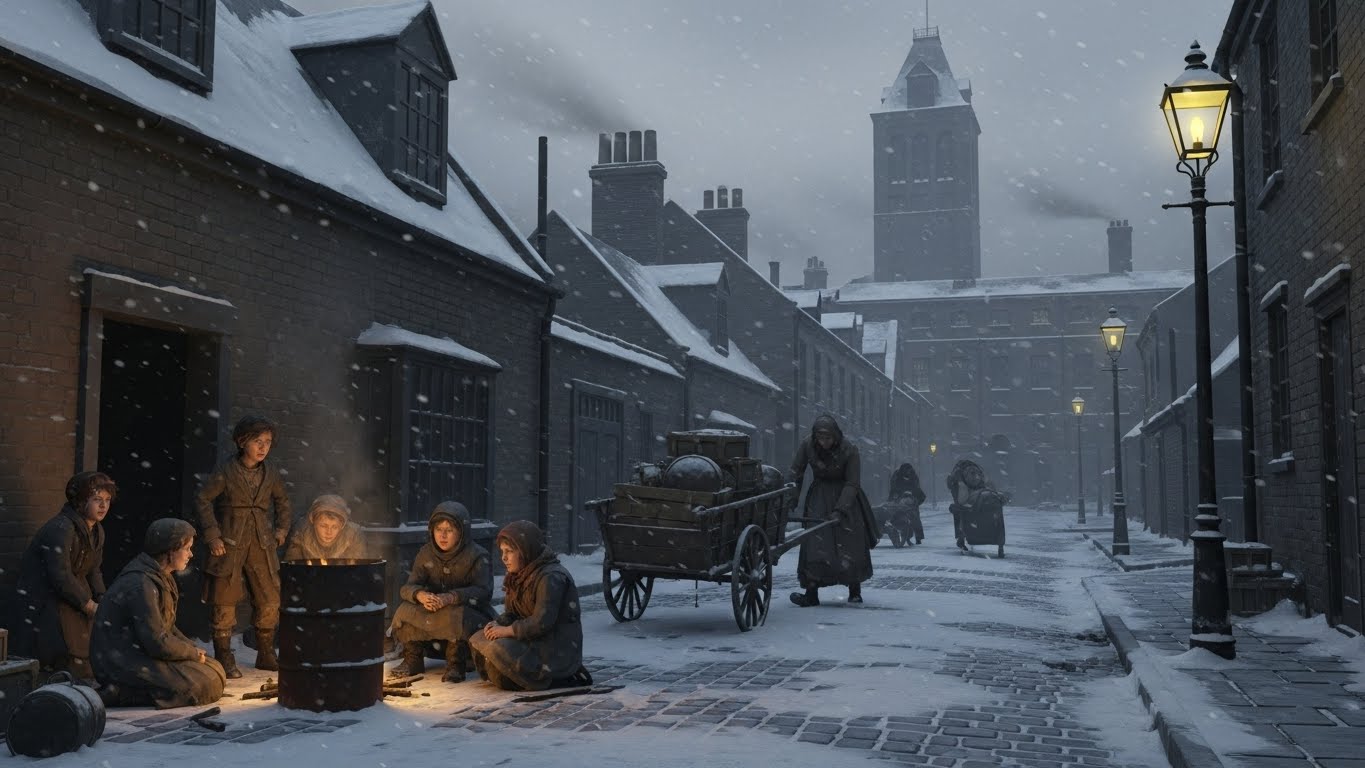
The Great Irish Famine, known in Irish as An Gorta Mór, stands as one of the most devastating humanitarian crises in European history. Between 1845 and 1852, Ireland lost approximately one million people to starvation and disease, while another million fled the country in desperate search of survival. While much attention has been given to the rural devastation, the forgotten stories of Dublin’s struggle reveal a unique urban tragedy that shaped the city’s character forever.
📌 Did You Know? Dublin’s population actually increased during the famine as desperate rural families flooded into the city seeking relief, overwhelming its already strained resources.
The Blight That Changed Everything
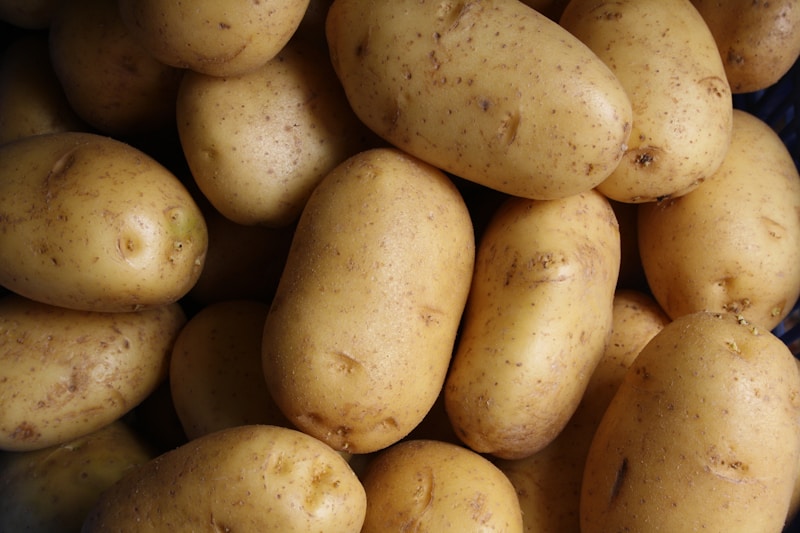
In September 1845, a mysterious disease appeared in Irish potato fields. The fungus-like organism Phytophthora infestans turned healthy potato crops into blackened, rotting masses within days. For a population where one-third relied almost entirely on potatoes for sustenance, this was nothing short of catastrophic.
The Devastating Timeline
| Year | Event | Impact |
|---|---|---|
| 1845 | First appearance of potato blight | 30-40% of crop destroyed |
| 1846 | Complete crop failure | Mass starvation begins |
| 1847 | “Black ’47” – worst year | Peak mortality and emigration |
| 1848-1852 | Continued crop failures | Emigration reaches 250,000/year |
Dublin’s Urban Nightmare
While rural Ireland suffered from crop failure and starvation, Dublin faced a different crisis. The city became a magnet for desperate refugees fleeing the countryside. Streets that once housed prosperous merchants now overflowed with the destitute and dying.
The Workhouse System: A Last Resort
Dublin’s workhouses became symbols of desperation. The South Dublin Union Workhouse, designed for 2,000 inmates, regularly housed over 3,000. Conditions were deliberately harsh to discourage dependency, but during the famine, they became death traps where disease spread rapidly through overcrowded wards.

Survivor Account: Mary O’Brien’s Story
“We walked for three days from County Meath to Dublin. My sister died on the road. When we reached the workhouse, they separated me from my mother. I never saw her again. The fever took her within a week.”
— Testimony recorded in 1898, Dublin Oral History Project
The Soup Kitchens and Charitable Efforts
As government relief proved inadequate, various charitable organizations stepped in. The Society of Friends (Quakers) established soup kitchens throughout Dublin, providing basic sustenance to thousands daily. These efforts, while heroic, could barely scratch the surface of the overwhelming need.
Daily Relief Efforts in Dublin (1847)
Disease: The Silent Killer
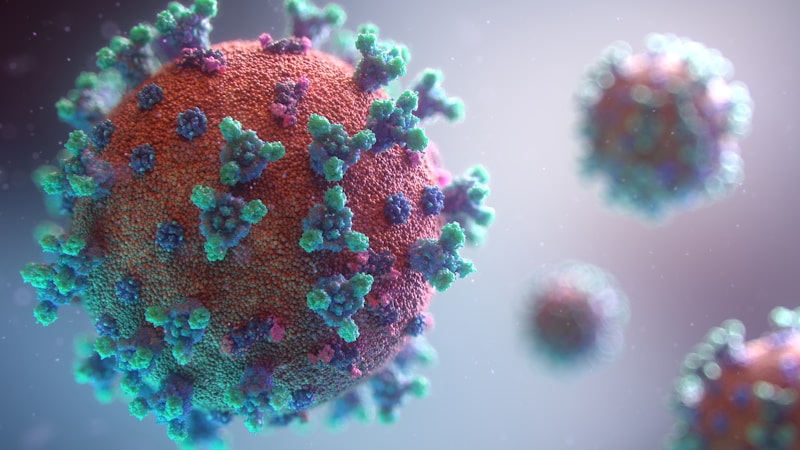
Starvation claimed many lives, but disease proved even more deadly. Typhus, dysentery, and relapsing fever spread through Dublin’s overcrowded tenements and workhouses. Medical facilities were overwhelmed, and doctors and nurses fell victim to the same diseases they fought to contain.
Major Diseases During the Famine
- Typhus (Black Fever): Spread by lice in overcrowded conditions, caused high fever and delirium
- Relapsing Fever: Characterized by recurring episodes of fever, spread rapidly in workhouses
- Dysentery: Caused by contaminated water, led to severe dehydration
- Cholera: Appeared in 1849, devastating already weakened populations
The Political Controversy
The British government’s response to the famine remains one of history’s most controversial chapters. While Prime Minister Robert Peel initially imported Indian corn (maize) to Ireland, his successor Lord John Russell adopted a laissez-faire approach, believing that market forces would naturally correct the crisis. This ideology proved catastrophic.
The Export Paradox
One of the famine’s most bitter ironies was that Ireland continued to export food throughout the crisis. Ships laden with grain, cattle, and other provisions left Irish ports for England while Irish people starved on the docks.
| Exports from Ireland (1847) | Quantity |
| Wheat and Oats | 9,992 tons |
| Cattle and Pigs | 186,000 animals |
| Butter and Eggs | Thousands of barrels |
Stories of Resilience and Survival
Amid the darkness, stories of extraordinary courage and compassion emerged. Dublin’s citizens, themselves facing hardship, often shared what little they had. Neighbors cared for orphaned children, and some families took in distant relatives fleeing rural devastation.

The Liberties Community Response
In Dublin’s Liberties district, local women organized informal soup kitchens in their homes, pooling resources to feed neighborhood children. These grassroots efforts saved countless lives and demonstrated the power of community solidarity in times of crisis.
The Long-Term Impact on Dublin
The famine fundamentally transformed Dublin. The city’s demographics shifted permanently as survivors rebuilt their lives. Many who endured the famine years developed a deep-seated distrust of British rule, fueling nationalist movements that would eventually lead to Irish independence.
Lasting Changes to Dublin Society
Urban Development
The famine led to major reforms in public health and housing. New regulations improved sanitation and reduced overcrowding in tenements.
Political Awakening
The famine galvanized Irish nationalism and strengthened movements for Home Rule and eventual independence.
Cultural Memory
Stories passed down through generations kept the memory alive, shaping Irish identity and diaspora consciousness worldwide.
Remembering the Forgotten
Today, Dublin holds several memorials to famine victims, but many stories remain untold. The Great Famine Memorial on Custom House Quay depicts skeletal figures boarding coffin ships, a haunting reminder of those who sought escape. Yet countless individual stories of suffering, courage, and endurance have been lost to time.
Key Takeaways
- The Irish Famine was both a natural disaster and a political failure
- Dublin’s urban experience differed significantly from rural Ireland’s suffering
- Disease killed more people than starvation alone
- The famine fundamentally reshaped Irish society and politics
- Many individual stories of survival and loss remain untold
Want to Dive Deeper Into Dublin’s Famine Stories?
Discover rare historical accounts, see authentic photographs, and hear expert analysis in our comprehensive documentary. We’ve uncovered archives and testimonies that bring this tragic chapter of history to life.
▶ WATCH THE FULL DOCUMENTARY ON HISTORY CANDLE
Don’t forget to subscribe for more untold stories from Irish history!
Conclusion
The Irish Famine of the 1840s represents more than historical tragedy—it’s a story of human resilience in the face of overwhelming adversity. Dublin’s forgotten stories remind us that behind every statistic were real people: families torn apart, children orphaned, communities destroyed, yet also acts of profound kindness and survival against impossible odds.
Understanding these forgotten stories helps us comprehend not only Irish history but also the ongoing legacy of colonialism, poverty, and humanitarian crisis. The famine shaped modern Ireland’s identity and continues to resonate in contemporary discussions about food security, government responsibility, and human rights.
As we remember those who suffered and died, we honor their memory by ensuring such preventable tragedies never happen again.