
[Insert historical image of Victorian London in winter]
When we romanticize Victorian London, we often picture elegant carriages, gas-lit streets, and Charles Dickens’ atmospheric tales. But beneath this nostalgic veneer lay a brutal reality—especially during the unforgiving winter months when survival became a daily struggle for millions.
The Victorian era (1837-1901) witnessed unprecedented industrial growth, but this progress came at a devastating human cost. Winter in London wasn’t just cold—it was a life-threatening ordeal that exposed the stark inequalities of the age. Let’s explore how ordinary people survived the harsh winter months in one of history’s most fascinating yet brutal periods.
The Great Stink and Deadly Fog
Victorian London’s winters were marked by a phenomenon that modern city dwellers can barely imagine: the infamous “pea-souper” fogs. These weren’t ordinary fogs—they were toxic clouds created by a deadly combination of coal smoke, industrial pollution, and natural moisture.
The Deadly Statistics
| Winter Hazard | Impact | Death Toll |
|---|---|---|
| Great Smog Events | Respiratory failure, accidents | Thousands weekly |
| Freezing Temperatures | Hypothermia, frostbite | Hundreds nightly |
| Coal Poisoning | Carbon monoxide exposure | Regular occurrences |
| Disease Outbreaks | Typhus, cholera, flu | Epidemic levels |
The fog was so thick that people literally couldn’t see their own feet. Pedestrians fell into the Thames, carriages collided, and crime flourished under the cover of darkness. The pollution caused chronic bronchitis, pneumonia, and countless deaths—particularly among children and the elderly.
Housing: A Roof Overhead, But No Warmth
[Insert image of Victorian slum conditions]
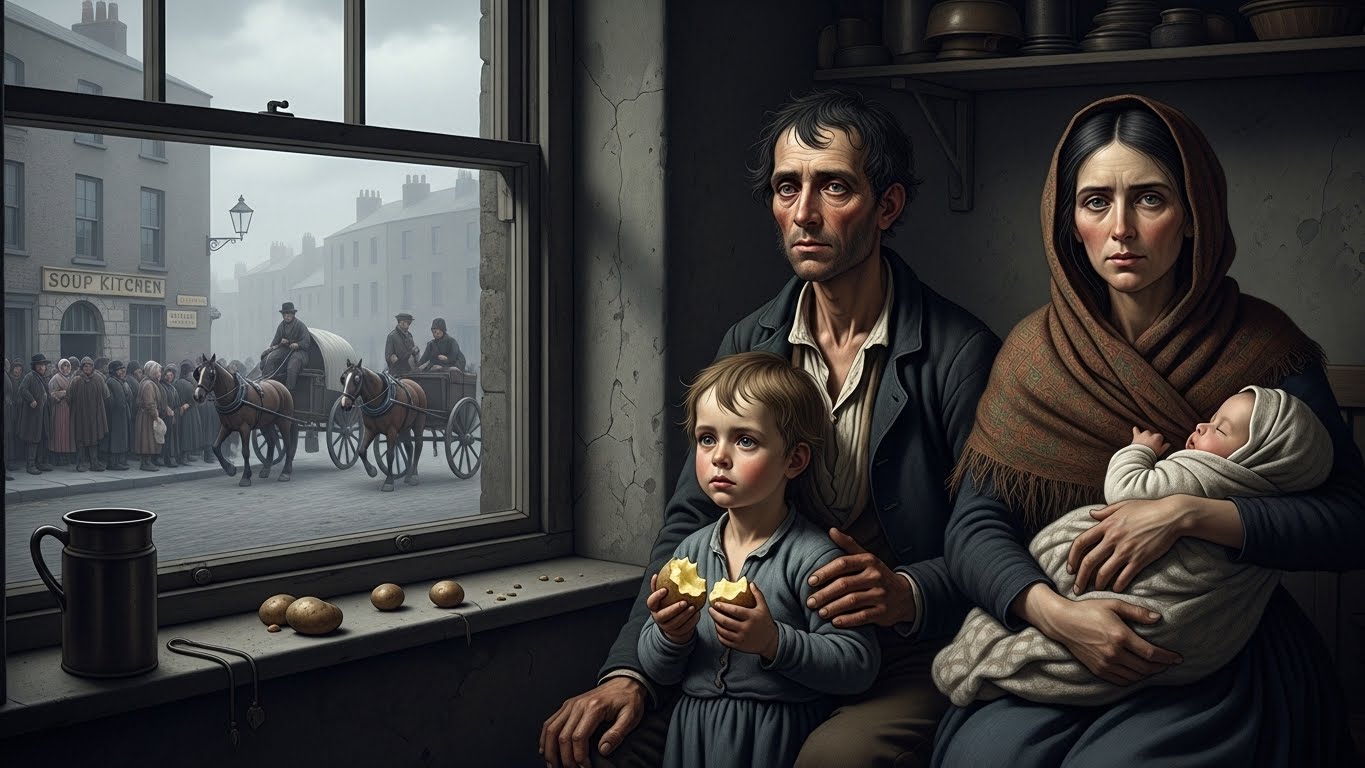
For the working poor, home offered little refuge from winter’s bite. Most families lived in overcrowded tenements or “rookeries”—decrepit buildings subdivided into tiny rooms that housed multiple families. These structures were riddled with drafts, damp, and vermin.
Living Conditions by Class
Heating was an expensive luxury. Coal cost money that most couldn’t spare, and many resorted to burning anything they could find—old furniture, newspapers, even animal dung. Children were sent out to collect coal scraps that fell from delivery carts, risking frostbite and arrest for theft.
The Street Children: London’s Forgotten Souls
Perhaps no group suffered more during Victorian winters than the estimated 30,000 homeless children who lived on London’s streets. Orphaned, abandoned, or fleeing abusive homes, these children survived through a combination of ingenuity, crime, and sheer luck.
Survival Strategies of Street Children
- 🔥 Heat Sources: Huddled around bakery ovens, factory vents, or underground in sewer systems
- 🏠 Shelter: Doorways, under bridges, in wooden crates, or “doss houses” for a penny a night
- 💰 Income: Sweeping crossings, selling matches, pickpocketing, or mudlarking in the Thames
- 🍲 Food: Scraps from markets, charity soup kitchens, or theft when desperate
Many froze to death in their sleep. Newspapers regularly reported finding small bodies in alleyways each morning during harsh winters. Those who survived often lost fingers or toes to frostbite, making manual labor—their only means of survival—even more difficult.
Food Scarcity and Malnutrition
[Insert image of Victorian-era food distribution]
Winter meant food prices soared while work opportunities dwindled. Construction halted in freezing weather, docks became treacherous with ice, and many casual laborers found themselves without income for months. The typical working-class diet became even more meager.
Weekly Food Budget Comparison (1880s)
| Item | Middle Class | Working Class |
|---|---|---|
| Meat | Daily | Once weekly (scraps) |
| Bread | White, fresh | Stale, often moldy |
| Vegetables | Variety | Potatoes, turnips |
| Milk | Fresh daily | Watered down/rare |
| Tea/Coffee | Quality tea, coffee | Reused tea leaves |
Malnutrition was rampant, leaving people vulnerable to diseases like tuberculosis, rickets, and scurvy. Children showed stunted growth—the average working-class child was five inches shorter than their upper-class counterparts, a visible marker of inequality.
Disease and Death: Winter’s Grim Harvest
Victorian London’s combination of overcrowding, poor sanitation, malnutrition, and cold created perfect conditions for disease. Winter was when death rates spiked dramatically, particularly in the poorest neighborhoods.
The Winter Killers
Respiratory Diseases
Pneumonia, bronchitis, tuberculosis—spread rapidly in cramped, unventilated spaces
Hypothermia
Claimed lives nightly, especially among the homeless and elderly
Water-Borne Illness
Cholera and typhoid from contaminated water supplies persisted year-round
Influenza
Annual outbreaks killed thousands with no effective treatment
Medical care was essentially nonexistent for the poor. Hospitals were feared as places people went to die, and most doctors were unaffordable. Folk remedies and patent medicines—often containing dangerous substances like arsenic or cocaine—were the only options for most families.
Work or Freeze: The Impossible Choice
[Insert image of Victorian factory conditions]
For those lucky enough to have jobs, winter work conditions were brutal. Factories offered minimal heating—just enough to prevent machinery from freezing. Workers labored 12-16 hour days in near-freezing temperatures, their fingers stiff and bleeding from handling cold metal and materials.
Outdoor workers had it worse. Dockers, construction laborers, street sweepers, and costermongers (street vendors) worked in exposed conditions with no protection from the elements. Frostbite was common, and many developed chronic conditions from constant exposure to cold and damp.
A Typical Working-Class Winter Day
- 4:00 AM – Wake in freezing room, no breakfast
- 5:00 AM – Walk to factory through dark, foggy streets
- 6:00 AM – Begin 12+ hour shift in unheated workspace
- 12:00 PM – 15-minute break for bread and weak tea
- 6:00 PM – End shift, walk home in darkness
- 7:00 PM – Meager dinner, if food available
- 8:00 PM – Bed to conserve heat and energy
The Workhouse: Last Resort
When all else failed, the destitute could seek refuge in the workhouse—but this was a fate many considered worse than death. Designed to be deliberately unpleasant to discourage dependence on public charity, workhouses separated families, enforced harsh labor, and provided minimal food and warmth.
Yet during severe winters, workhouses overflowed with desperate people choosing survival over dignity. The alternative was often freezing to death on the streets. Charles Dickens’ Oliver Twist captured the grim reality of these institutions, though even his descriptions barely conveyed the full horror.
The Victorian Paradox
The cruelest irony of Victorian London was the stark contrast between classes. While the poor froze and starved, the wealthy enjoyed heated homes, abundant food, and elaborate winter entertainments. Christmas became increasingly commercialized for the middle and upper classes, with festive markets, decorations, and gift-giving—while just streets away, children died of cold and hunger.
This inequality wasn’t hidden—it was visible daily on London’s streets. The well-dressed stepped over the homeless. Carriages passed beggars. Grand townhouses stood next to fetid slums. The proximity of wealth and poverty made Victorian London’s social divide impossible to ignore, yet systematic change came painfully slowly.
Lessons from the Past
Victorian London’s harsh winters reveal uncomfortable truths about industrialization, inequality, and human resilience. While we’ve made progress in public health, workers’ rights, and social welfare, the fundamental challenges of ensuring everyone has adequate shelter, food, and warmth during winter remain relevant today.
Understanding this history helps us appreciate modern comforts while recognizing that for many people worldwide—and even in wealthy nations—winter survival remains a genuine struggle. The Victorian era serves as both a cautionary tale and a reminder of how far society can evolve when it commits to protecting its most vulnerable members.
Want to Dive Deeper into Victorian London’s Dark History?