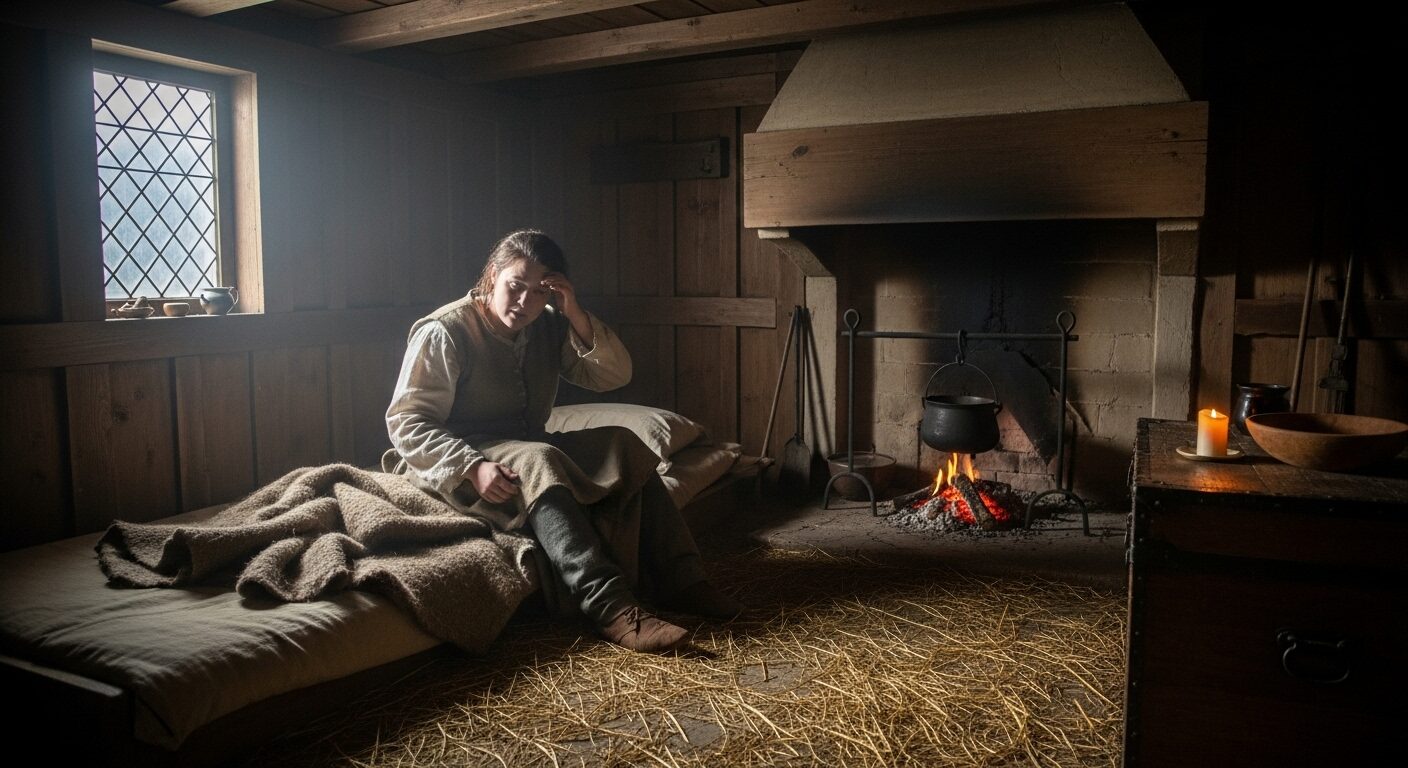

Discover the shocking truth behind medieval law enforcement and the brutal methods used to maintain order in the Dark Ages

The Middle Ages, spanning roughly from the 5th to the 15th century, was a time of castles, knights, and chivalry. But beneath the romantic veneer lies a darker reality: a justice system built on fear, public spectacle, and brutal physical punishment. Medieval justice wasn’t just about punishment; it was about maintaining social order through terror and deterrence.
Understanding medieval punishments gives us insight into how societies functioned without modern prisons, how power was exercised, and how deeply different our ancestors’ worldview was from our own. Let’s explore the shocking methods that defined justice in this tumultuous era.
The Philosophy Behind Medieval Justice
Medieval justice operated on principles vastly different from modern legal systems. The primary goals were:
- Public Deterrence: Punishments were intentionally brutal and public to discourage others from committing crimes
- Divine Justice: Many punishments involved trial by ordeal, believing God would intervene to protect the innocent
- Social Control: Harsh penalties reinforced the feudal hierarchy and kept peasants subservient
- Spectacle and Entertainment: Public executions drew massive crowds and served as morbid entertainment
The Most Brutal Medieval Punishments
1. Drawing and Quartering
Reserved for those convicted of high treason, this was perhaps the most gruesome punishment in medieval England. The condemned would be dragged behind a horse to the execution site, hanged until nearly dead, disemboweled while still alive, beheaded, and then their body cut into four parts to be displayed as a warning across the kingdom.
Famous victims included William Wallace of Scotland and the Gunpowder Plot conspirators in 1606.
2. The Rack
This torture device stretched the victim’s body, dislocating joints and tearing ligaments. The psychological terror was as effective as the physical pain, as victims could hear their own joints popping. It was primarily used during interrogations to extract confessions, particularly during the Spanish Inquisition.
3. Breaking on the Wheel
The condemned was tied to a large wooden wheel, and their limbs were systematically broken with an iron bar. They would then be left on the wheel, mounted on a pole, to die from exposure and their injuries over days. This punishment was common in France and Germany for murder and robbery.
4. Boiling Alive
Used particularly for poisoners, this horrific punishment involved lowering the victim into a cauldron of boiling water, oil, or tar. King Henry VIII made this the legal punishment for poisoning in 1531 after his own cook was accused of attempting to poison him.
5. The Iron Maiden
While its actual use is debated by historians, this sarcophagus-like device with interior spikes became infamous. The victim would be placed inside, and the door slowly closed, driving spikes into their body. Death was often slow and agonizing.
Want to See Medieval Justice Come to Life?
Watch our comprehensive documentary on the History Candle YouTube Channel for detailed animations, expert commentary, and shocking historical accounts!
Comparison: Medieval vs. Modern Punishments
| Aspect | Medieval Justice | Modern Justice |
|---|---|---|
| Primary Goal | Deterrence through fear | Rehabilitation and justice |
| Public Visibility | Highly public spectacles | Private, behind closed doors |
| Physical Punishment | Torture, mutilation, execution | Imprisonment, fines |
| Trial Process | Trial by ordeal, combat, or confession under torture | Due process, evidence-based trials |
| Social Class Impact | Nobles often escaped harsh punishments | Theoretically equal (though disparities exist) |

Lesser-Known Medieval Punishments
The Scold’s Bridle
Used primarily on women accused of gossip or nagging, this iron cage fit over the head with a plate inserted into the mouth to prevent speaking. The victim would be paraded through town as public humiliation.
Stocks and Pillory
These wooden restraints held offenders in public squares where they faced verbal abuse, rotten food throwing, and sometimes physical assault from angry crowds. While not lethal, the public humiliation was devastating.
Ducking Stool
Primarily used for women accused of being “scolds” or accused witches, the victim was strapped to a chair and repeatedly dunked underwater. If they survived, they were considered guilty; if they drowned, they were innocent but dead.
Branding and Mutilation
Thieves often had their hands cut off, liars had their tongues removed, and various criminals were branded with hot irons marking their crimes. These permanent marks ensured they carried their shame forever.
Trial by Ordeal: When God Decided Guilt
One of the most fascinating aspects of medieval justice was the belief that God would intervene to protect the innocent. This led to various trials by ordeal:
Trial by Fire
The accused would carry a red-hot iron bar or walk over burning coals. If the burns healed within three days, they were innocent.
Trial by Water
The accused was bound and thrown into water. If they floated, they were guilty (water rejected them); if they sank, they were innocent (but might drown).
Trial by Combat
Nobles could settle disputes through combat, believing God would grant victory to the righteous party.
Trial by Bread
The accused had to swallow a piece of consecrated bread. If they choked, they were guilty. Many likely choked from sheer nervousness.
The Social Context of Medieval Brutality
To understand medieval justice, we must consider the context. Life was harsh, violent, and short. The average life expectancy was 30-40 years, disease was rampant, and war was constant. In this environment:
- Violence was normalized in daily life
- Strong deterrents were seen as necessary to maintain order
- Human life was valued differently than today
- Religious beliefs shaped legal philosophy
- There was no concept of human rights as we understand them
Understanding this context doesn’t excuse the brutality, but it helps us comprehend how these practices were accepted and even celebrated in their time.
Discover More Dark History!
This article only scratches the surface of medieval justice. For a deep dive with stunning visuals, expert analysis, and shocking historical details, watch our full documentary on History Candle!
Subscribe to History Candle for more fascinating historical content!
The Decline of Brutal Punishments
The transition away from these brutal methods was gradual and occurred over centuries. Several factors contributed to this shift:
The Enlightenment (17th-18th Century)
Philosophers like Cesare Beccaria argued against torture and capital punishment, advocating for proportional punishment and the prevention of crime through certainty rather than severity.
Rise of Imprisonment
The development of prison systems in the 18th and 19th centuries provided an alternative to physical punishment, focusing on reform rather than torture.
Changing Social Values
As societies became more prosperous and stable, public appetite for brutal spectacles declined. What once entertained now horrified.
Key Takeaways: What Medieval Justice Teaches Us
- Context Matters: Legal systems reflect the values, fears, and realities of their time
- Justice Evolves: What was once acceptable becomes unthinkable as societies develop
- Deterrence Has Limits: Brutality doesn’t necessarily prevent crime more effectively than humane alternatives
- Power and Punishment: Justice systems often serve to maintain existing power structures
- Human Rights Progress: Our current understanding of dignity and rights is relatively recent and worth protecting
Conclusion: Learning from Our Dark Past
Medieval justice, with all its brutality and spectacle, reveals much about human nature and society. While we may recoil at these practices today, they were products of their time, shaped by religious beliefs, social structures, and the harsh realities of medieval life.
Studying these dark chapters of history isn’t about glorifying violence but understanding how far we’ve come and remaining vigilant about preserving human dignity and rights. The journey from the rack to rehabilitation, from public execution to due process, represents one of humanity’s great moral achievements.
The medieval period reminds us that progress is neither automatic nor irreversible—it must be constantly defended and advanced.
Don’t Miss Out on History!
If you found this article fascinating, you’ll love our full documentary on medieval justice. Watch expert historians break down the most shocking punishments, see detailed reconstructions, and explore the historical context that made these practices possible.
👍 Like | 💬 Comment | 🔔 Subscribe | 📤 Share
Join our community of history enthusiasts and never miss an episode!