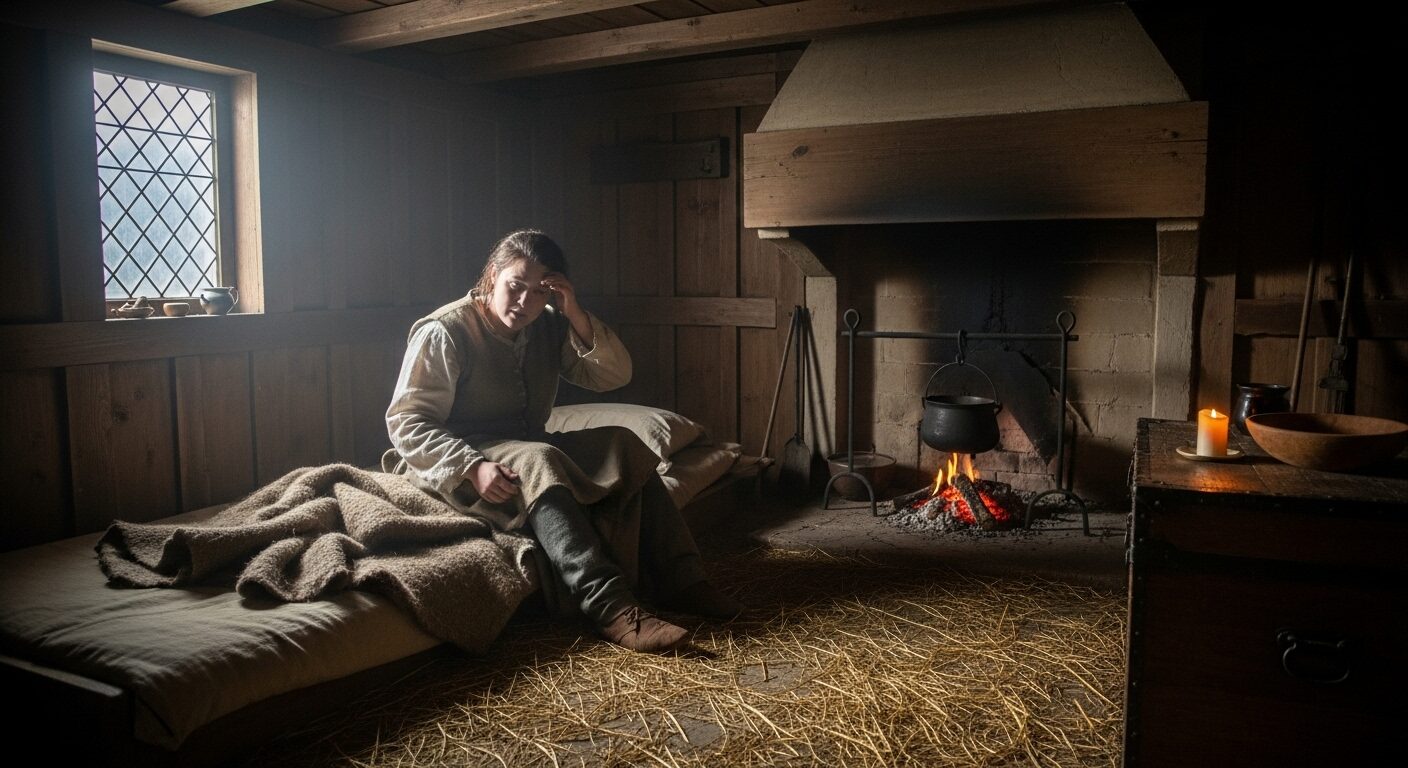

When we think of medieval winters today, we might imagine cozy castles with roaring fireplaces and festive celebrations. The reality, however, was far grimmer. For most people living between the 5th and 15th centuries, winter wasn’t just uncomfortable—it was a matter of life and death.
The Little Ice Age: When Europe Froze Over
Between the 14th and 19th centuries, Europe experienced what scientists call the Little Ice Age. Temperatures dropped significantly, with winters becoming longer and more brutal than previous generations had ever known. Rivers that never froze suddenly became solid ice highways. Crops failed. Livestock perished. And people died by the thousands.
But even before this climatic catastrophe, medieval winters posed extraordinary challenges that modern heating, insulation, and food preservation have allowed us to forget.
Why Medieval Winters Were So Deadly
Inadequate Heating and Shelter
Unlike today’s centrally heated homes, medieval dwellings offered minimal protection from the cold. Peasant homes were typically one-room structures with thatched roofs, dirt floors, and walls made of wattle and daub—essentially woven sticks covered in mud and straw.
Most families had only a central hearth with no chimney, meaning smoke filled the living space before escaping through holes in the roof. The “insulation” consisted of whatever materials people could stuff into wall cracks. Wealthy nobles fared slightly better with stone castles, but even these fortresses were notoriously drafty, with tapestries serving as the primary defense against cold stone walls.
Food Scarcity and Malnutrition
Winter meant the end of fresh food. Without modern refrigeration or canning techniques, medieval people relied on salting, smoking, drying, and pickling to preserve autumn harvests. By midwinter, these supplies often ran dangerously low.
The period from late winter to early spring became known as the “hunger gap”—when stored food was nearly exhausted but new crops hadn’t yet grown. Malnutrition weakened immune systems, making people vulnerable to disease. Vitamin deficiencies caused scurvy, rickets, and other debilitating conditions.
Poor harvests due to early frosts or wet summers meant even less food to preserve. A single bad harvest could trigger famine, and consecutive bad years spelled catastrophe. The Great Famine of 1315-1317 killed millions across Europe when relentless rain and cold destroyed crops for three consecutive years.
Disease in Close Quarters
To escape the cold, families and even livestock crowded together indoors. This proximity created perfect conditions for disease transmission. Respiratory infections, influenza, and pneumonia spread rapidly through medieval communities during winter months.
Poor sanitation, lack of hygiene knowledge, and weakened immune systems from malnutrition created a deadly combination. What we might treat today with antibiotics became a death sentence in medieval times.
The Danger of Ice and Snow
Frozen roads and paths made travel treacherous. Those who needed to venture out for firewood, water, or food risked frostbite, hypothermia, and falls on icy surfaces. Rivers and streams froze, cutting off water supplies and trade routes.
Heavy snow could collapse poorly constructed roofs, burying families inside. Livestock trapped in storms often froze to death, depriving families of milk, meat, and the animals needed for spring plowing.
The Social Impact of Deadly Winters
Winter mortality wasn’t distributed equally. The poor, elderly, very young, and sick were most vulnerable. Wealthy nobles had stockpiled food, warmer clothing, and better shelter—though even they weren’t immune to winter’s dangers.
Communities that survived harsh winters often faced long-term consequences. Reduced populations meant fewer workers for spring planting, perpetuating cycles of scarcity. Desperate people sometimes turned to crime, banditry, or even cannibalism during the worst famines.
How Medieval People Tried to Survive
Despite these challenges, medieval Europeans developed survival strategies. They bred cold-hardy livestock, developed winter wheat varieties, and perfected preservation techniques. Communities shared resources through manorial systems, though this feudal arrangement often favored lords over peasants.
Religious institutions, particularly monasteries, sometimes provided charity to the desperate. People also adapted their lifestyles, doing most heavy work during warmer months and minimizing activity during winter to conserve both food and body heat.
Understanding Our Ancestors’ Struggles
Medieval winters remind us how much modern technology has insulated us from nature’s harshest realities. Central heating, refrigeration, modern medicine, and global food networks have made winter a season of holidays rather than horror for most people in developed nations.
Yet studying these historical struggles provides valuable perspective. It helps us understand why certain cultural practices developed, why medieval life expectancy was so low, and how climate significantly shaped human history.
Dive Deeper Into Medieval Winter Survival
Want to learn more about the fascinating and often brutal realities of medieval winters? The History Candle YouTube Channel has created an in-depth video exploring these deadly winters in vivid detail, complete with historical sources, expert insights, and visual recreations of medieval life.
the History Candle channel on YouTube
Don’t forget to subscribe and hit the notification bell so you never miss new historical content. History Candle brings the past to life with engaging, well-researched videos that go beyond the surface of history’s most compelling stories.
What aspect of medieval life would you like to learn about next? Let us know in the comments on our channel!