
Scotland’s landscape is steeped in centuries of dramatic history, from misty highlands echoing with ancient battles to stone circles whispering tales of Celtic rituals. Beyond the familiar stories of William Wallace and Robert the Bruce lies a rich tapestry of myths, forgotten conflicts, and legendary figures that shaped this remarkable nation.
The Mythical Foundations of Scotland
Long before written records, Scotland’s identity was forged in myth and legend. The ancient Picts left behind mysterious stone carvings and symbols that scholars still struggle to decode. These enigmatic people, whose name means “painted ones,” defended their territories against Roman legions and left a legacy of intricate artwork that continues to fascinate historians.
The Celtic mythology of Scotland introduced us to the Cailleach, the divine hag who shaped mountains with her hammer and controlled winter’s fury. Tales of selkies—seal people who shed their skins to walk on land—emerged from coastal communities, while kelpies, shape-shifting water spirits, were said to haunt Scotland’s lochs and rivers.
Battles That Forged a Nation
Scotland’s military history extends far beyond Bannockburn and Culloden. The Battle of Mons Graupius in 83 AD saw Caledonian tribes face the Roman Empire in a clash that would define Scotland’s resistance to conquest. Though the Romans claimed victory, they never truly subdued the northern territories.
The Wars of Scottish Independence weren’t just about two or three famous battles. Countless smaller engagements, sieges, and guerrilla campaigns defined this prolonged struggle. The Battle of Stirling Bridge in 1297, where Andrew de Moray and William Wallace defeated a larger English force, demonstrated tactical brilliance that’s often overshadowed by Hollywood dramatizations.
The Jacobite Risings of the 18th century represented the final, tragic chapter of Highland martial tradition. Beyond Culloden, battles like Prestonpans and Falkirk showed the devastating effectiveness of Highland charge tactics before modern warfare rendered them obsolete.
Legendary Figures Beyond the Famous Names
While Wallace and Bruce dominate Scottish historical consciousness, other figures deserve recognition. Kenneth MacAlpin, who united the Picts and Scots in the 9th century, essentially created Scotland as we know it. Saint Margaret transformed Scottish religious and cultural life in the 11th century, introducing reforms that would shape the nation for centuries.
The Declaration of Arbroath, penned in 1320, stands as one of history’s most eloquent statements of national sovereignty and human liberty, predating similar documents by centuries. Its authors crafted words that would inspire independence movements worldwide.
Castles, Clans, and Ancient Traditions
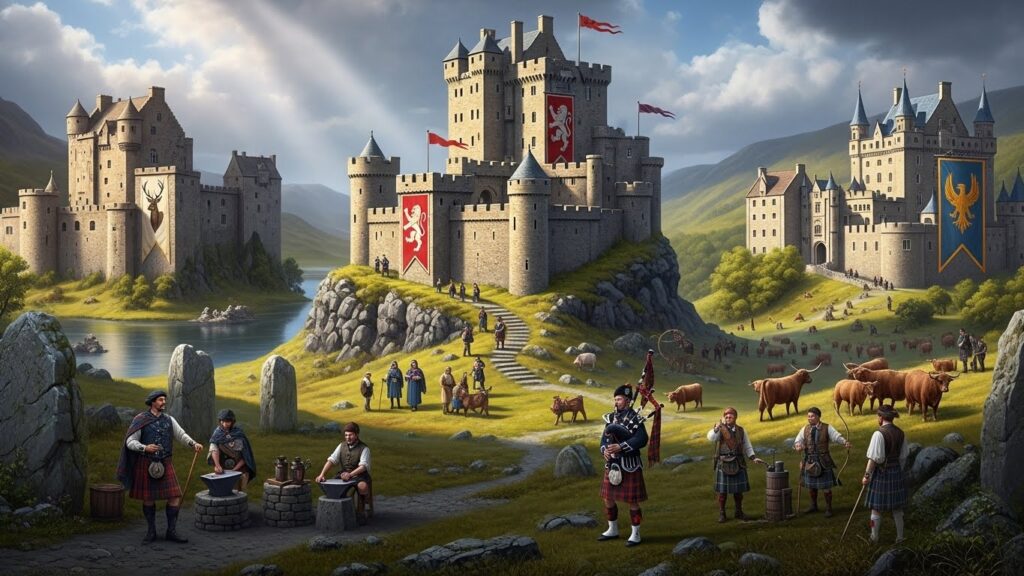
Scotland’s clan system created a unique social structure where loyalty to family and land superseded feudal obligations. The tartans we associate with clans today are largely Victorian inventions, but the clan system itself was very real—a network of kinship, obligation, and territorial control that persisted for centuries.
Edinburgh Castle, Stirling Castle, and dozens of ruined fortresses scattered across the Highlands tell stories of siege, betrayal, and desperate last stands. Each stone structure represents strategic importance in conflicts that determined Scotland’s fate.
The Dark Side of Scottish History
Not all Scottish history is heroic. The Highland Clearances of the 18th and 19th centuries saw thousands of Scots forcibly removed from their ancestral lands to make way for sheep farming. This tragic episode scattered Scottish communities across the globe, creating diaspora communities from Canada to Australia.
The witch trials that swept Scotland in the 16th and 17th centuries claimed thousands of lives, mostly women accused of consorting with dark forces. Scotland’s witch-hunting fervor exceeded even that of Salem, Massachusetts.
Archaeological Discoveries Rewriting History
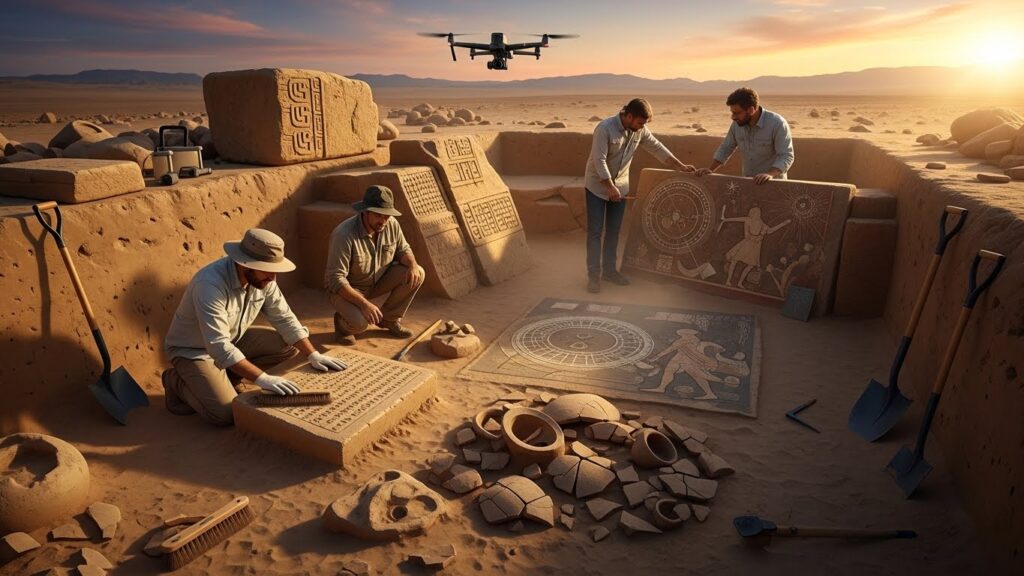
Recent archaeological work continues to reveal Scotland’s hidden past. Excavations at sites like the Ness of Brodgar in Orkney suggest sophisticated Neolithic societies with complex religious and social structures. Viking settlements across the Northern Isles and Western Highlands demonstrate the Norse influence that shaped Scottish culture, language, and genetics.
The Legacy That Lives On
Scotland’s history isn’t confined to museums and history books. It lives in the Gaelic language still spoken in the Highlands, in traditional music played on fiddles and bagpipes, and in the fierce sense of identity that defines Scottish culture today.
The myths that once explained natural phenomena now inspire literature, film, and art. The battles that secured independence continue to resonate in modern political movements. The legends of heroes and villains remind us that history is written by real people facing impossible choices.
Dive Deeper Into Scotland’s Fascinating Past
This article only scratches the surface of Scotland’s incredible history. From the standing stones of Callanish to the blood-soaked fields of Flodden, from the court intrigues of Mary Queen of Scots to the intellectual brilliance of the Scottish Enlightenment, there are countless stories waiting to be discovered.
Want to explore Scotland’s untold history in stunning visual detail? Watch our comprehensive documentary on the History Candle YouTube Channel, where we bring these myths, battles, and legends to life with expert analysis, dramatic reenactments, and visits to the actual historical sites where these events unfolded.
👉 Watch the full documentary here: Scotland’s Untold History
Subscribe to History Candle for more deep dives into the hidden corners of world history, where we illuminate the past one story at a time.