
When we think of medieval royalty, images of grand castles, lavish banquets, and powerful monarchs come to mind. But behind the gilded thrones and ornate crowns lay some truly bizarre daily routines that would shock modern sensibilities. From peculiar hygiene practices to elaborate rituals, the lives of medieval kings and queens were far stranger than fairy tales suggest.
The Morning Rituals of Medieval Monarchs
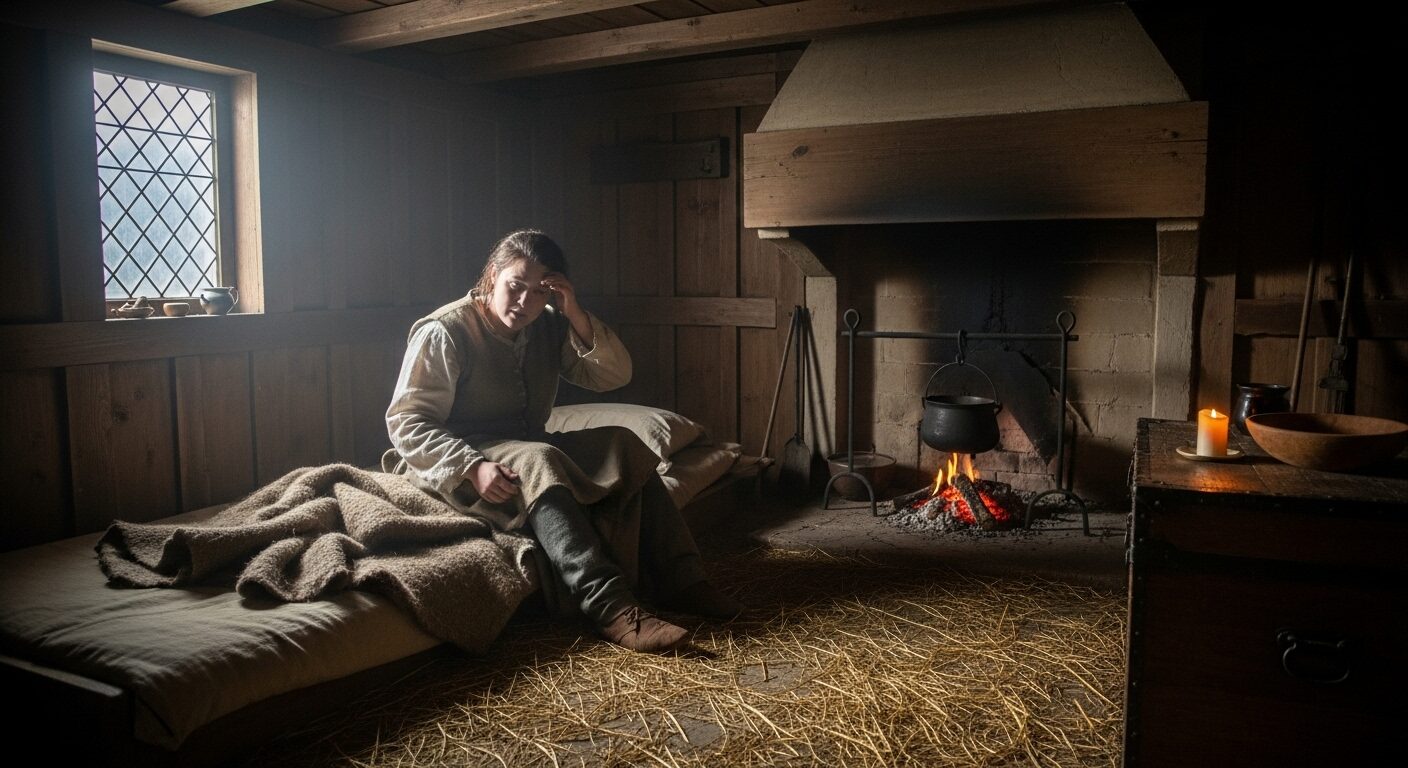
Medieval royalty didn’t simply roll out of bed like ordinary people. Their mornings began with elaborate ceremonies that could take hours to complete. The “levée” ceremony, particularly popular in later medieval courts, involved multiple courtiers assisting the monarch in getting dressed—a process that was both a display of power and a carefully choreographed social event.
Kings and queens rarely dressed themselves. Instead, dozens of servants would handle everything from undergarments to outer robes, with each piece of clothing representing a step in the social hierarchy. The most trusted nobles earned the privilege of handing the monarch their shirt or placing the crown upon their head.
Peculiar Eating Habits and Food Tasters
Medieval royal dining was a spectacle of paranoia and pageantry. Before a single morsel touched royal lips, food tasters risked their lives to ensure meals weren’t poisoned. These unfortunate individuals would sample each dish while the monarch watched, waiting to see if they would show signs of poisoning.
Banquets could last for hours, featuring dozens of courses including exotic meats like peacock, swan, and porpoise. Kings and queens often ate with their fingers, though they had servants standing by with water bowls and towels. Forks were virtually unknown in medieval Europe until the late period, considered an affectation by many nobles.
The Public Nature of Royal Life
Privacy was a foreign concept for medieval royalty. Kings and queens conducted much of their daily business in full view of their courts. Even intimate matters like using the toilet or bathing occurred with attendants present. The “groom of the stool”—a real position in royal households—was responsible for assisting the monarch with their bathroom needs and was actually considered a prestigious role due to the private access it provided.
Royal bedchambers served as public spaces where important decisions were made. Courtiers might witness the king getting dressed, undressed, or even staying in bed for audiences. This constant observation was part of the performance of power that medieval monarchs maintained.
Medieval Hygiene: Not What You’d Expect
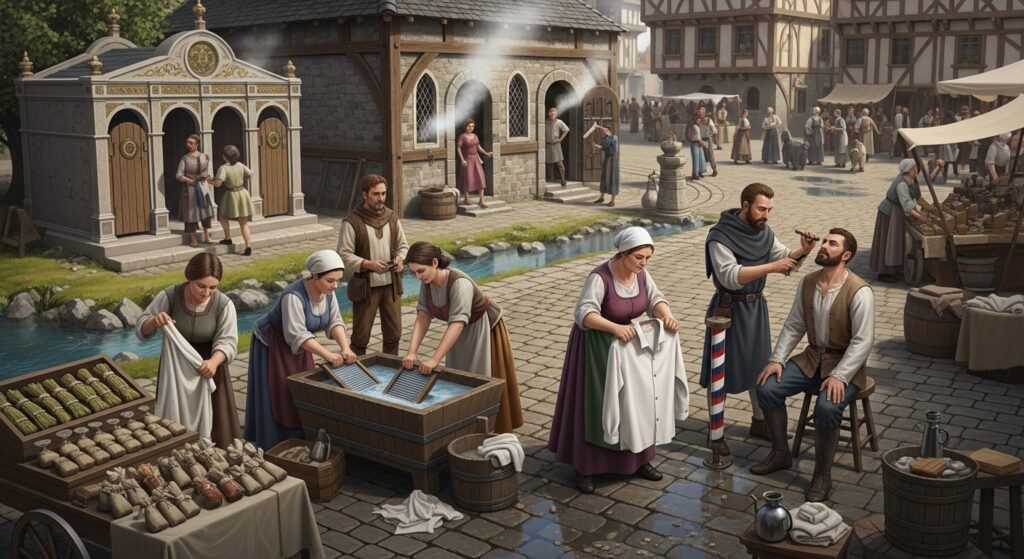
Contrary to popular belief, medieval royalty did bathe, though not as frequently as we do today. They believed that bathing opened the pores and made them vulnerable to disease, so full baths were infrequent events. Instead, they relied heavily on perfumes, herbs, and changing undergarments to manage body odor.
Many monarchs carried pomanders—decorative balls filled with aromatic substances—to mask unpleasant smells. They also used strewing herbs scattered on floors, which released pleasant scents when crushed underfoot.
Strange Beauty and Health Practices
Medieval queens pursued beauty through methods that seem dangerous by today’s standards. Lead-based makeup was common, giving skin a fashionable pale appearance while slowly poisoning the wearer. Bloodletting was considered essential for maintaining health, with royal physicians regularly draining blood to “balance the humors.”
Some monarchs believed in the healing power of royal touch, claiming they could cure diseases like scrofula simply by laying hands on the afflicted. This practice, known as “the King’s Touch,” persisted for centuries and drew crowds of hopeful sufferers.
Sleeping Arrangements and Bedtime Rituals
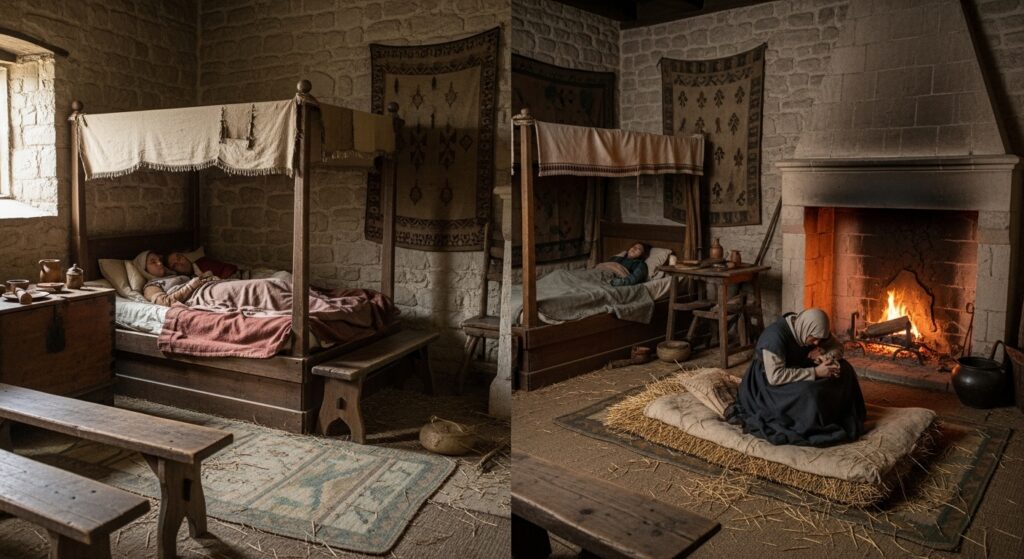
Medieval royalty rarely slept alone in their massive beds. Multiple servants, courtiers, or even favored nobles might share the royal bedchamber, sleeping on smaller beds or pallets on the floor. This practice served both security purposes and provided immediate assistance should the monarch need anything during the night.
Beds themselves were status symbols, elaborately carved and draped with expensive fabrics. The bed was often the most valuable item in the castle, sometimes worth more than the building itself.
The Burden of Constant Performance
Perhaps the strangest aspect of medieval royal life was its theatrical nature. Every action, from eating breakfast to signing documents, was a performance designed to reinforce the monarch’s divine right to rule. Kings and queens lived in a constant state of being “on stage,” with every gesture scrutinized for meaning.
This pressure led to elaborate protocols governing who could sit in the monarch’s presence, who could speak first, and even how deeply one should bow. Breaking these rules could result in severe punishment or social ruin.
Discover More Shocking Details About Medieval Royal Life
The strange routines of medieval kings and queens reveal a world far removed from the romantic fairy tales we often imagine. These monarchs lived under constant scrutiny, maintained power through elaborate rituals, and practiced hygiene and health habits that would appall us today.
Want to dive deeper into the fascinating and bizarre world of medieval royalty? Watch the complete documentary exploring these strange royal routines and many more shocking historical details on the History Candle YouTube channel: The Strange Routines of Kings and Queens
History Candle brings the past to life with meticulously researched content that reveals the truth behind historical myths. Subscribe to uncover more hidden stories from history that will change the way you see the past!
From bloodletting schedules to public toilet ceremonies, the daily lives of medieval monarchs were stranger than fiction. Understanding these routines helps us appreciate both how far we’ve come and how power, in any era, shapes even the most intimate aspects of daily life.Retry
From bizarre superstitions to shocking personal habits, this in-depth video reveals the untold stories that history books often leave out. Subscribe to History Candle for more fascinating historical content that brings the past to life!