
When you picture medieval times, you might imagine knights in shining armor, grand castles, and romantic feasts. But the harsh truth? Most of us modern folk wouldn’t survive even 24 hours in the Middle Ages. Let’s dive into the grim reality that would have you begging for your smartphone, running water, and antibiotics before sunset.
The Morning From Hell: Waking Up Medieval Style
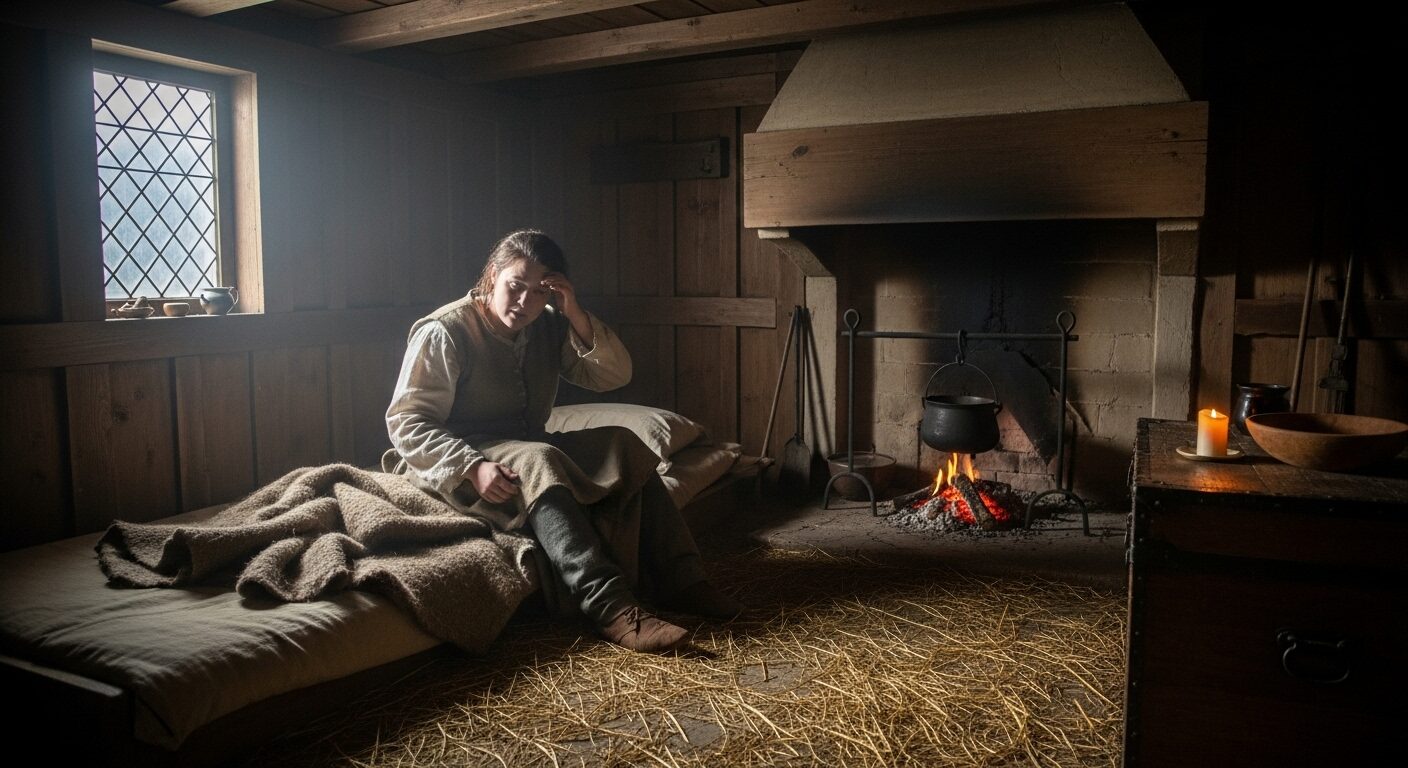
Your day would begin at dawn—not because you set an alarm, but because the rooster’s crow, church bells, and general chaos of medieval life would jolt you awake. That comfortable memory foam mattress? Replace it with a straw-filled sack on a wooden platform, shared with several family members and likely infested with lice, fleas, and bedbugs.
No morning shower awaits you. Medieval people bathed only a few times per year, if that. The concept of daily hygiene simply didn’t exist. You’d pull on the same woolen tunic you’ve worn for weeks, already stiff with sweat and grime.
Breakfast: If You’re Lucky Enough to Have It
Forget your avocado toast and morning coffee. Coffee wouldn’t reach Europe for centuries. Instead, you might choke down some hard, stale bread—if you’re fortunate. The poor, which was about 90% of the population, often started their day with “pottage,” a watery grain porridge that tasted as bland as it sounds.
The bread itself could kill you. Bakers sometimes added sawdust or chalk as fillers. Spoiled grain contaminated with ergot fungus caused horrific hallucinations, gangrene, and death—a condition known as “St. Anthony’s Fire.”
The Bathroom Situation: A Nightmare Beyond Imagination
This is where most modern people would absolutely lose it. There were no bathrooms as we know them. You’d use a chamber pot indoors, which someone (probably you) would later empty into the street by simply tossing it out the window. Public toilets were holes in wooden benches positioned over cesspits or rivers.
Toilet paper? Not invented yet. You’d use hay, leaves, or your hand. The smell of medieval cities was overwhelming—a nauseating mix of human waste, animal dung, rotting food, and unwashed bodies.
Your Job Would Literally Break You
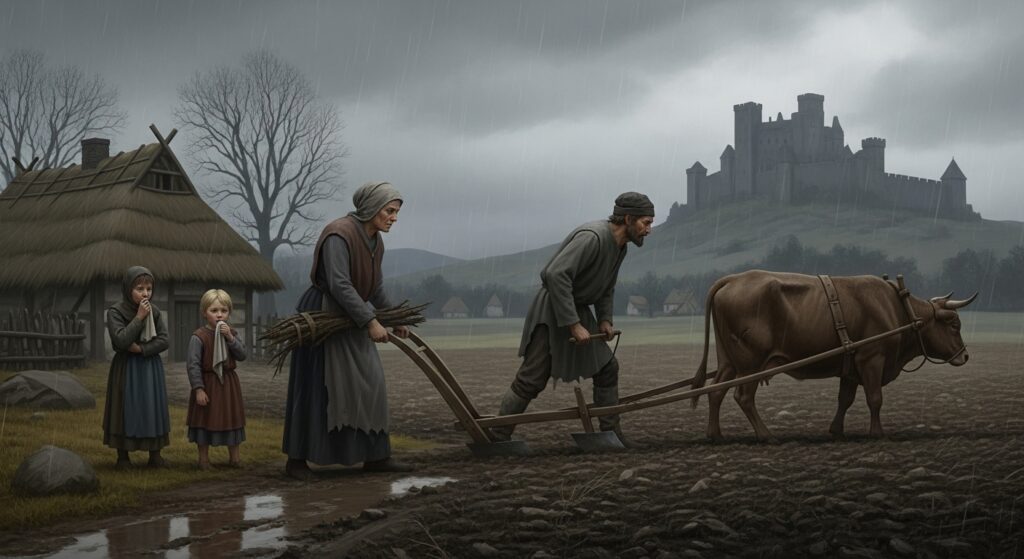
Unless you were nobility (less than 1% chance), you’d work grueling manual labor from dawn to dusk. Peasant farmers toiled in fields with primitive tools, their backs permanently bent from constant labor. By age 30, most people looked ancient by modern standards.
Workplace safety didn’t exist. Accidents were common and often fatal. A simple cut could turn gangrenous. A broken bone might never heal properly, leaving you permanently disabled and unable to work—which meant starvation.
Medical Care: Pray You Don’t Get Sick
Here’s the truly terrifying part: medieval medicine would kill you faster than many diseases. Doctors believed illness resulted from an imbalance of “humors” and prescribed treatments like bloodletting, which weakened patients further.
A simple toothache could lead to a jaw abscess and death. Minor infections regularly killed people. Childbirth was a leading cause of death for women. The plague periodically swept through Europe, killing up to 60% of populations.
Medieval “surgeons” were often barbers who performed amputations without anesthesia (besides perhaps some ale) or antiseptics. Survival rates were abysmal.
Dinner: Nutritional Disaster
Your evening meal would offer little variety. Peasants ate mostly grain-based foods, with meat reserved for special occasions. Vegetables were considered peasant food and often viewed with suspicion. Fresh food was rare; most was salted, dried, or pickled to survive winter.
The water was so contaminated that people drank weak beer instead, even children. This wasn’t enough to get drunk but provided necessary calories and was safer than water teeming with diseases.
Food poisoning was rampant. Proper food storage didn’t exist, and you couldn’t see the bacteria multiplying in your spoiled meat.
The Violence Would Shock You
Medieval society was brutally violent by modern standards. Public executions were entertainment. Punishments for minor crimes included mutilation, branding, or time in the stocks where crowds would pelt you with garbage and feces.
Bandits roamed the roads. Wars were constant. If you were male, you might be forcibly conscripted and handed a spear with minimal training, expected to face enemy knights in full armor.
The Social Prison: No Escape From Your Birth Status
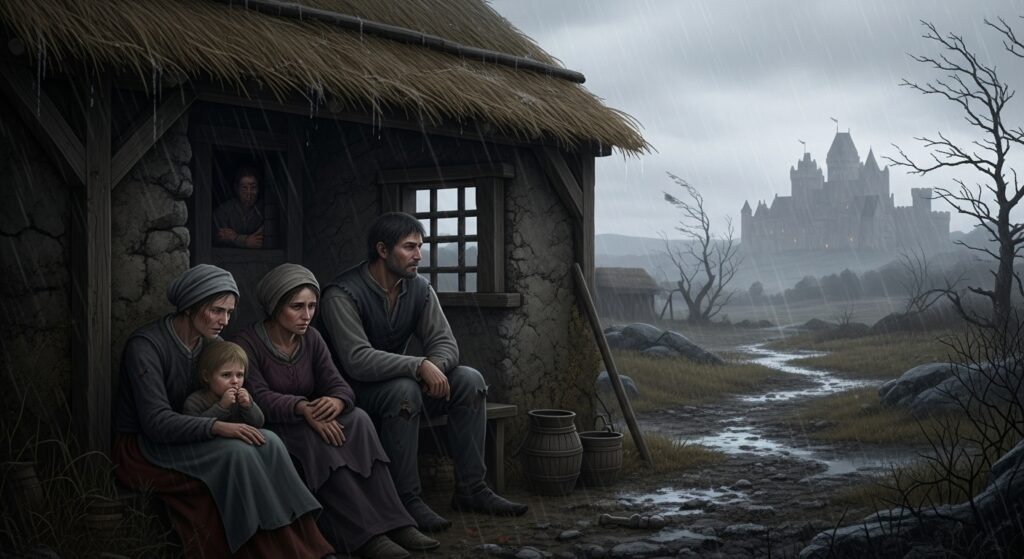
Perhaps most suffocating of all—you’d have zero social mobility. Born a peasant? You’d die a peasant, and so would your children. The feudal system locked people into rigid class structures.
You couldn’t choose your career, travel freely, or marry without your lord’s permission. Speaking against the church or nobility could get you executed for heresy or treason.
Why We Romanticize What We’d Never Survive
Medieval times appeal to us because of carefully curated images in movies, shows, and books. We see the castles, tournaments, and feasts—not the dysentery, starvation, and daily suffering that defined most people’s lives.
The average life expectancy was only 30-35 years, though if you survived childhood, you might reach 50. Every day was a struggle for survival against disease, violence, hunger, and oppression.
The Verdict: You Wouldn’t Make It
Be honest with yourself. Could you truly survive without modern medicine, hygiene, human rights, or basic comforts? Most of us would be begging to return to the 21st century before our first medieval meal ended.
We’re products of our time, adapted to modern conveniences and protections. That’s not weakness—it’s simply reality. The medieval period was a harsh, dangerous era where life was cheap and death was always close at hand.
Dive Deeper Into History’s Darkest Secrets
Fascinated by the brutal realities of history that no one tells you about? Subscribe to the History Candle YouTube Channel for captivating videos that illuminate the shadowy corners of the past.
We explore the shocking truths, bizarre facts, and untold stories from medieval times and beyond—bringing history to life in ways your textbook never could. From plague doctors to Viking brutality, from ancient curses to medieval torture devices, we light the way through history’s most intriguing mysteries.
👉 Don’t just read about history—experience it. Subscribe to History Candle today and join thousands of history enthusiasts uncovering the truth about our past!
New videos every week—because history is anything but boring.
Ready to learn more? Drop a comment below: How long do YOU think you’d survive in medieval times? What aspect of medieval life terrifies you most?