
In short: colonial Americans in the 1600s and 1700s ate corn in every form, one-pot pottage, salt pork and beans, bread and pies where wheat grew, cider rather than water, and a set of dishes that have since vanished from the table: sallet, syllabub, posset and nose-to-tail cooking. Much of it came from Indigenous crops. The article below goes through each of them, and the questions at the end cover the middle colonies and what changed.
A Journey Through Forgotten Flavors That Shaped Early American Cuisine
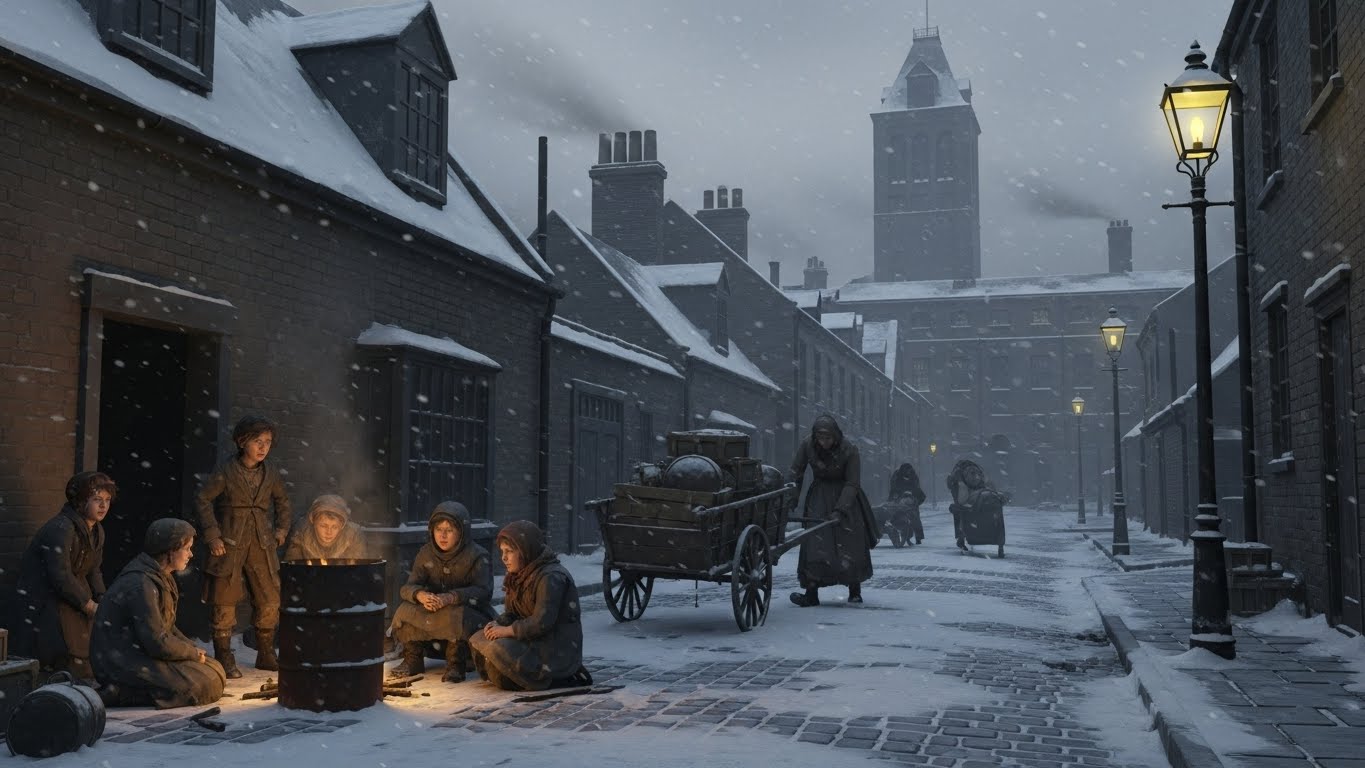
When we think of medieval America—the colonial period spanning roughly from the 1600s to the late 1700s—we often picture simple, rustic meals. But the reality of early American cuisine was far more complex, diverse, and intriguing than most history books reveal. Many foods that sustained our ancestors for generations have completely vanished from modern tables, lost to time and changing tastes.
These forgotten colonial foods tell fascinating stories about survival, adaptation, and the blending of Native American, European, and African culinary traditions. Let’s explore the lost foods that once defined American dining.
Pottage: The Medieval One-Pot Wonder
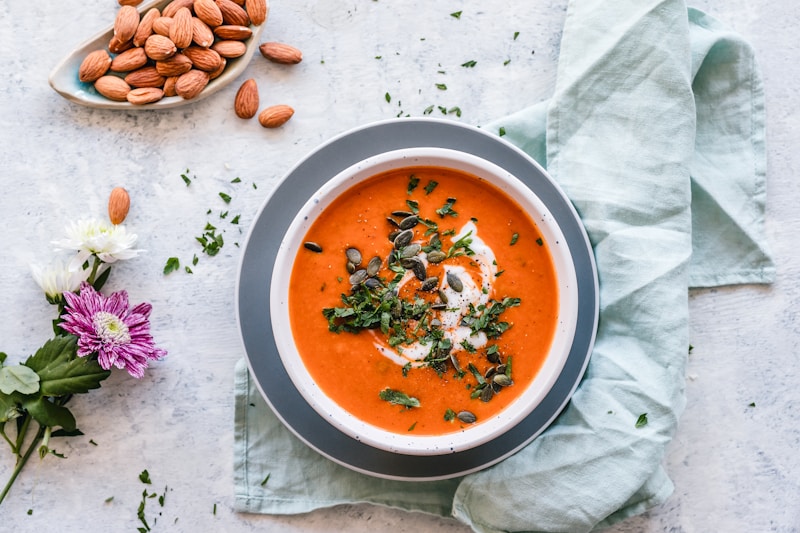
Before casseroles and stews dominated American kitchens, there was pottage—a thick, hearty porridge that served as the backbone of colonial meals. This versatile dish combined grains (often oats, barley, or wheat), vegetables, and occasionally meat or fish, all simmered for hours in a large pot hanging over the fire.
Why Pottage Disappeared
As American cuisine evolved and cooking technology advanced, pottage gave way to more refined dishes. The rise of individual plated meals and the influence of French culinary techniques in the 19th century made this communal pot seem old-fashioned and unsophisticated.
Sallet: Colonial America’s Original Salad
Long before Caesar salads and mixed greens, colonists enjoyed sallets—a completely different take on vegetable dishes. Unlike our modern raw salads, sallets were often cooked, heavily dressed with vinegar and oil, and featured ingredients we’d find unusual today.
| Colonial Sallet Ingredients | Modern Equivalent |
|---|---|
| Boiled purslane | Spinach or arugula |
| Pickled samphire | Pickled asparagus |
| Candied flowers | Edible flower garnish |
| Cooked herbs with vinegar | Vinaigrette dressing |
Syllabub: The Colonial Cocktail Dessert

Syllabub was the colonial era’s answer to dessert, combining fresh milk or cream with wine, cider, or ale, sweetened with sugar and flavored with lemon. The mixture was whipped into a frothy consistency that was part beverage, part dessert.
This delicacy was particularly popular at celebrations and social gatherings. Some recipes called for milking a cow directly into the alcoholic mixture to create maximum froth—a technique that’s certainly not making a comeback anytime soon!
Nasty Bits: Colonial Nose-to-Tail Eating
Long before the modern nose-to-tail movement, colonial Americans were masters of using every part of an animal. Economic necessity meant nothing went to waste, leading to dishes that would shock modern sensibilities.
Forgotten Animal Parts Once Considered Delicacies
- 🍖 Calf’s Head Soup – An expensive delicacy featuring the entire head
- 🍖 Tripe and Trotters – Stomach lining and pig’s feet, slow-cooked for hours
- 🍖 Kidney Pies – Savory pastries filled with organ meats
- 🍖 Blood Pudding – Sausages made from animal blood and grains
- 🍖 Bone Marrow Roasts – Split bones roasted for their rich marrow
Posset: Medieval Medicine Meets Comfort Food
Posset was a hot milk drink curdled with wine or ale, often spiced with nutmeg, ginger, or other warming spices. Colonists believed it had medicinal properties and frequently prescribed it for colds, insomnia, and general malaise.
The thick, custard-like consistency made it a comfort food that straddled the line between beverage and pudding. While it may sound unappealing to modern tastes, posset was considered both nourishing and luxurious, often served in special posset cups made of silver or fine ceramic.
Three Sisters Succotash: Native American Heritage
While succotash hasn’t completely disappeared, the authentic colonial version bears little resemblance to the canned vegetables many associate with the name. Original succotash was based on Native American agricultural and culinary traditions, featuring the “Three Sisters”—corn, beans, and squash.
Colonial succotash was often cooked with bear fat or salt pork, creating a protein-rich stew that sustained communities through harsh winters. This indigenous dish represents one of the most important culinary exchanges between Native Americans and European settlers.
Why These Foods Vanished
Industrialization
Mass production favored simple, standardized foods over time-intensive traditional preparations.
Changing Tastes
Victorian sensibilities deemed many colonial dishes too “rustic” or unsophisticated for refined palates.
Time Constraints
Modern lifestyles left little room for dishes requiring hours of slow cooking or complex preparation.
The Colonial Pantry: Essential Ingredients Lost to Time
Beyond specific dishes, many ingredients that were once pantry staples have become obscure or extinct:
- Small Beer – A low-alcohol beverage safer than water, consumed daily by everyone including children
- Ship’s Biscuit (Hardtack) – Rock-hard crackers that could last for years, essential for sea voyages
- Mast Pork – Pork from pigs that fed on forest nuts, creating distinctly flavored meat
- Ash Cakes – Cornmeal cakes literally cooked directly in fireplace ashes
- Samp – Coarsely ground corn that required overnight soaking and hours of cooking
Rediscovering Our Culinary Heritage
The lost foods of colonial America offer more than historical curiosity—they provide insights into sustainability, resourcefulness, and the evolution of American identity. Many of these forgotten techniques, such as fermentation, preservation, and nose-to-tail cooking, are experiencing renewed interest among modern food enthusiasts.
Living history museums, food historians, and culinary archaeologists are working to preserve these recipes and techniques, ensuring that future generations can taste the foods that shaped early American life.
Want to Dive Deeper Into Colonial Culinary History?
Discover the fascinating stories, cooking methods, and forgotten recipes that defined America’s colonial era in our comprehensive video exploration!
Watch our in-depth documentary covering:
- ✓ Authentic colonial cooking demonstrations
- ✓ Rare historical recipes recreated
- ✓ Expert insights from food historians
- ✓ The cultural significance of lost foods
▶️ WATCH THE FULL VIDEO ON HISTORY CANDLE
Subscribe to History Candle for more fascinating historical deep dives!
Conclusion: Lessons From the Colonial Kitchen
The lost foods of America’s colonial period remind us that culinary traditions are constantly evolving. What seems exotic or unpalatable today was once everyday sustenance. These forgotten dishes tell stories of adaptation, survival, cultural exchange, and the immigrant experience that defined early America.
As we face modern challenges around food sustainability, waste reduction, and preserving culinary heritage, perhaps there’s wisdom to be found in the resourceful practices of our colonial ancestors. Their commitment to using every ingredient, their mastery of preservation techniques, and their integration of diverse cultural foodways offer valuable lessons for contemporary kitchens.
Have you tried any colonial-era recipes or historical foods?
Share your experiences in the comments below, and don’t forget to watch our complete documentary on the History Candle YouTube channel for an immersive journey through America’s forgotten culinary past!
Colonial food: the questions people ask
What did people eat in colonial America in the 1700s?
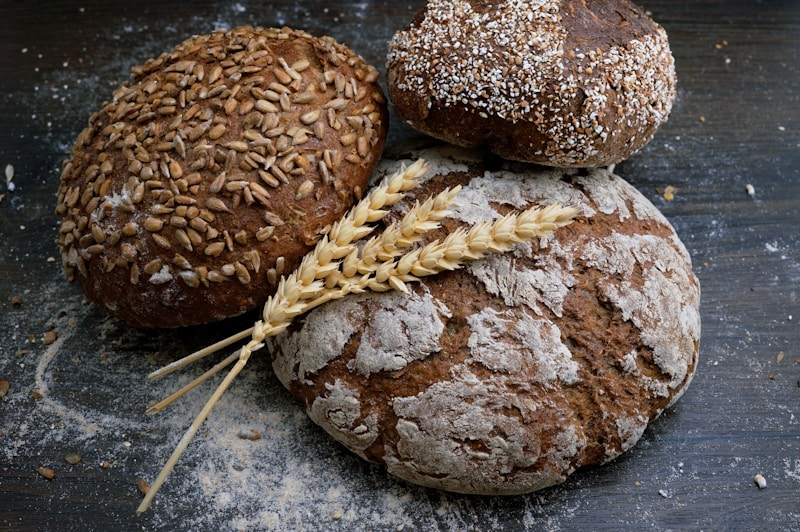
Most meals were built around corn and grain: corn pone, hasty pudding, hominy and wheat or rye bread, with pottage (a thick one-pot stew of vegetables, grain and whatever meat was available) as the everyday dish. Salt pork, dried beans, squash, apples and cider filled the rest of the year; fresh meat and imported sugar, tea and spices were for the better-off or for holidays.
What did the middle colonies eat?
Pennsylvania, New York, New Jersey and Delaware were the "breadbasket" colonies: wheat grew well there, so bread, pies and pastry were far more common than in New England or the South. German and Dutch settlers added scrapple, sauerkraut, pretzels and doughnuts; the Delaware and Hudson valleys supplied shad, oysters and orchard fruit.
Which colonial foods have disappeared?
Sallet (a dressed salad of cooked and raw greens), syllabub (wine or cider whipped with cream), posset (hot spiced milk curdled with ale), pottage as a daily dish, and organ-meat cooking such as calf's head and pig's pettitoes. Most vanished as cheap sugar, wheat flour and iron stoves changed what was easy to cook.
Did colonists eat Native American foods?
Yes, and they depended on them. Maize, beans and squash (the Three Sisters), succotash, hominy, cranberries, maple sugar and turkey all came from Indigenous agriculture and cooking; without them the early colonies would not have survived their first winters.