
When we think of medieval warfare, our minds conjure images of clashing armies, knights in shining armor, and epic battlefield confrontations. But here’s a shocking truth that most history books gloss over: medieval castles killed far more people than any open battlefield ever did.
If you’re imagining castles as romantic fortresses where noble lords lived in safety, it’s time to reconsider. These stone giants were death traps in disguise, claiming lives through means far more insidious than sword and lance.
The Hidden Horrors Behind Castle Walls
Medieval castles weren’t just military strongholds—they were pressure cookers of disease, starvation, and slow death. While a battlefield confrontation might last hours or days, castle sieges stretched on for months, even years, creating conditions that made the Black Death look like a minor inconvenience.
Disease: The Silent Killer
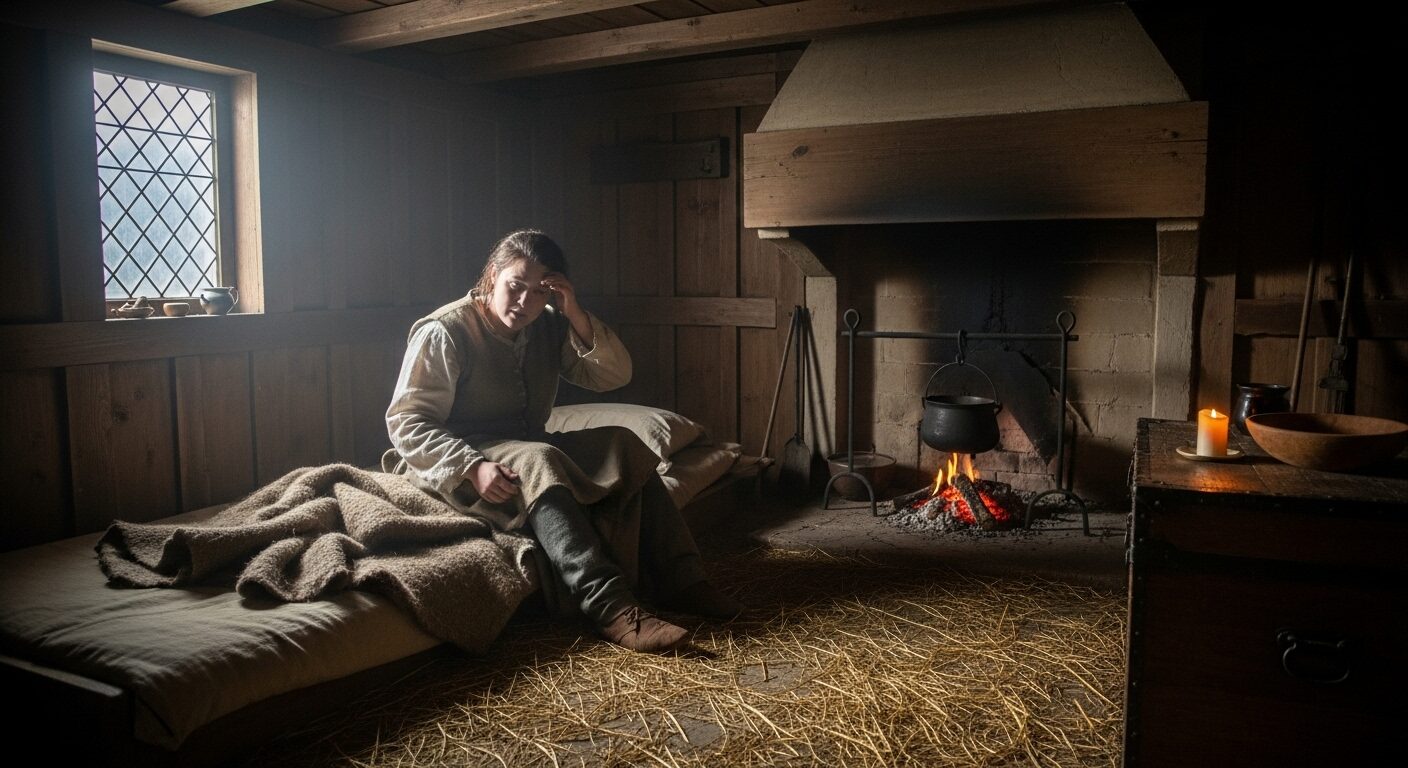
Inside besieged castle walls, sanitation was virtually nonexistent. Hundreds or even thousands of people crammed into confined spaces, sharing contaminated water sources and living among their own waste. Dysentery, typhoid, and cholera spread like wildfire.
The mortality rate during prolonged sieges often exceeded 50%, with disease accounting for the vast majority of deaths. Defenders didn’t die heroically in battle—they died miserably in their own filth, too weak to even hold a weapon.
Starvation: A Slow, Agonizing End
When siege warfare came to your castle gates, the clock started ticking on your food supplies. Medieval castles typically stored provisions for three to six months, but sieges frequently lasted longer.
As supplies dwindled, defenders resorted to eating rats, leather, and eventually nothing at all. Historical records document cases of cannibalism during extreme sieges. The human body doesn’t shut down quickly from starvation—it’s a weeks-long descent into madness and organ failure.
Compare this to battlefield casualties: most soldiers who died in medieval battles did so within minutes of receiving their fatal wounds. Quick, if not painless.
The Mathematics of Medieval Death
Let’s talk numbers. A major medieval battle might see 10,000 to 30,000 combatants with casualty rates of 5-30%. The Battle of Agincourt, one of history’s bloodiest medieval engagements, saw approximately 6,000-10,000 deaths over the course of a few hours.
Meanwhile, a single castle siege could trap 1,000-5,000 people for months. The Siege of Carcassonne in 1209 lasted just two weeks but resulted in nearly total population loss due to disease and starvation. The Siege of Château Gaillard (1203-1204) lasted six months and decimated its defenders without a single major battle.
When you multiply these scenarios across hundreds of sieges throughout the medieval period, the body count from castle warfare absolutely dwarfs battlefield casualties.
Why Castles Were Designed for Slow Death
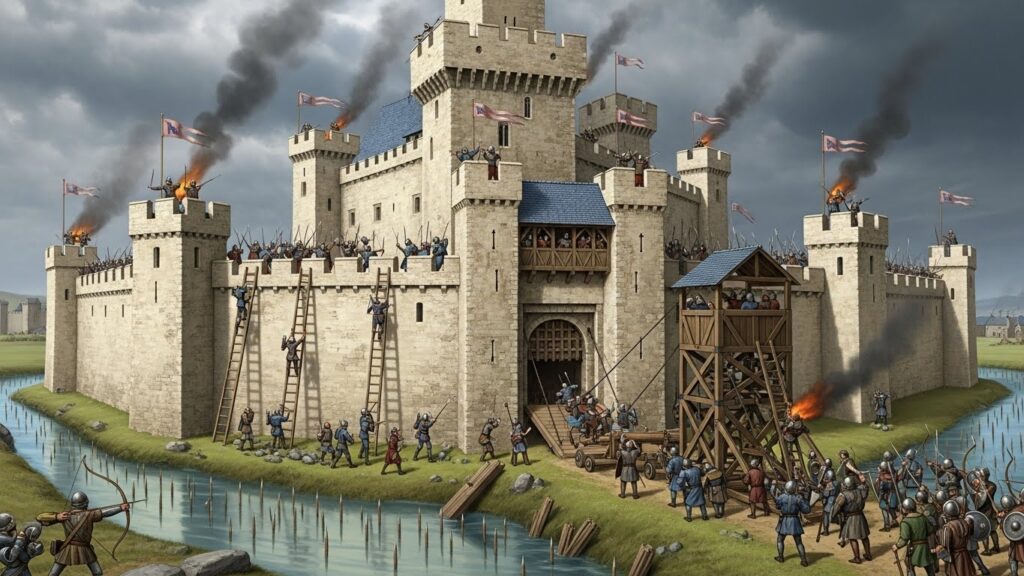
Medieval military strategy actually relied on this grim reality. Attacking armies knew they didn’t need to storm the walls—they just needed to wait. Siegecraft wasn’t about bravery or martial skill; it was about patience and cruelty.
Defenders faced impossible choices: surrender early and face execution or enslavement, or hold out and watch your people die slowly from within. Castle designers never adequately solved the problems of sanitation, water supply, or food storage for extended sieges.
Even the most advanced castles, with their concentric walls and sophisticated defenses, couldn’t protect against their deadliest enemies: bacteria and hunger.
The Psychological Toll
Beyond the physical deaths, castle sieges inflicted psychological trauma that battlefield combat rarely matched. Soldiers on a battlefield experienced intense but brief terror. Castle defenders endured months of slow-building dread, watching friends and family waste away, knowing their turn was coming.
The mental breakdown of defenders often determined siege outcomes more than military factors. Commanders had to manage not just military defense but mass hysteria, despair, and the constant threat of internal collapse.
Modern Misunderstandings of Medieval Warfare
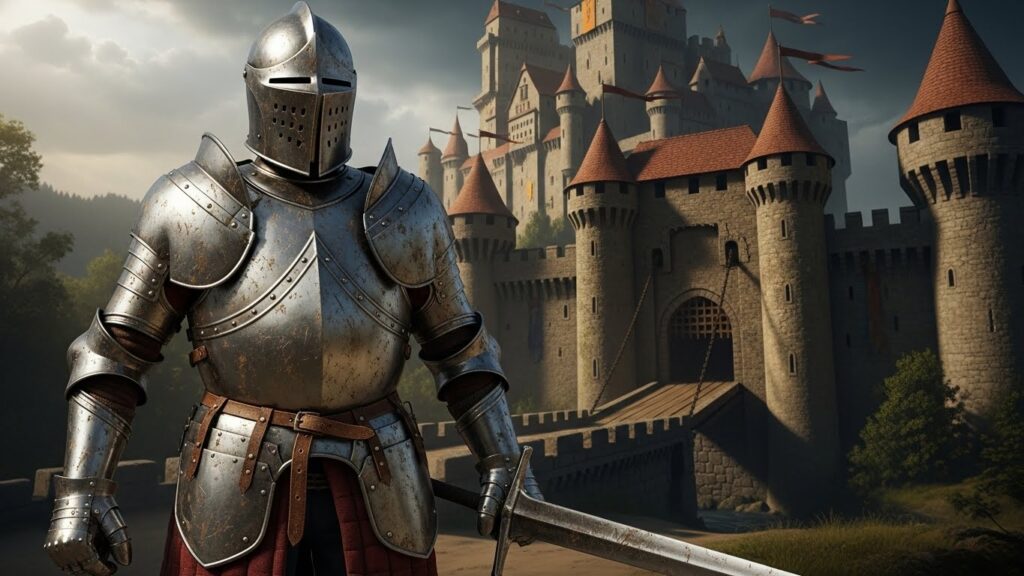
Popular culture has completely distorted our understanding of medieval military history. Movies show glorious cavalry charges and heroic last stands. The reality? Most medieval military deaths occurred in squalid conditions, far from any glory.
This matters because it changes how we understand medieval society itself. Castles weren’t symbols of strength and security—they were symbols of a brutal system where the powerful could trap the weak in stone coffins when war arrived.
Discover the Full Story
This barely scratches the surface of why medieval castles were more lethal than any battlefield. The complete picture includes architectural failures, specific siege tactics, survivor accounts, and archaeological evidence that paint an even grimmer picture.
Want to dive deeper into this dark chapter of medieval history?
Watch the full documentary-style video on the History Candle YouTube Channel, where we explore the archaeological evidence, survivor testimonies, and shocking statistics that prove castles were medieval death traps.
Watch: “Castles Were Deadlier Than Battlefields—The Dark Truth of Medieval Warfare” on History Candle
In this comprehensive video, you’ll discover:
- Detailed accounts from actual medieval sieges
- Archaeological findings from excavated castle sites
- Expert analysis from medieval historians
- Visual reconstructions of siege conditions
- The brutal mathematics of castle mortality rates
Don’t let Hollywood’s version of history fool you. The truth is far more fascinating—and far more terrifying.
Subscribe to History Candle for more eye-opening historical deep dives that challenge everything you thought you knew about the past.