
Have you ever wondered what daily life was actually like in medieval times? Not the romanticized version from movies, but the real, gritty experience of living in the year 1300? Let’s take a fascinating journey back in time to discover what you’d encounter if you woke up in the Middle Ages.
The Shock of Medieval Morning
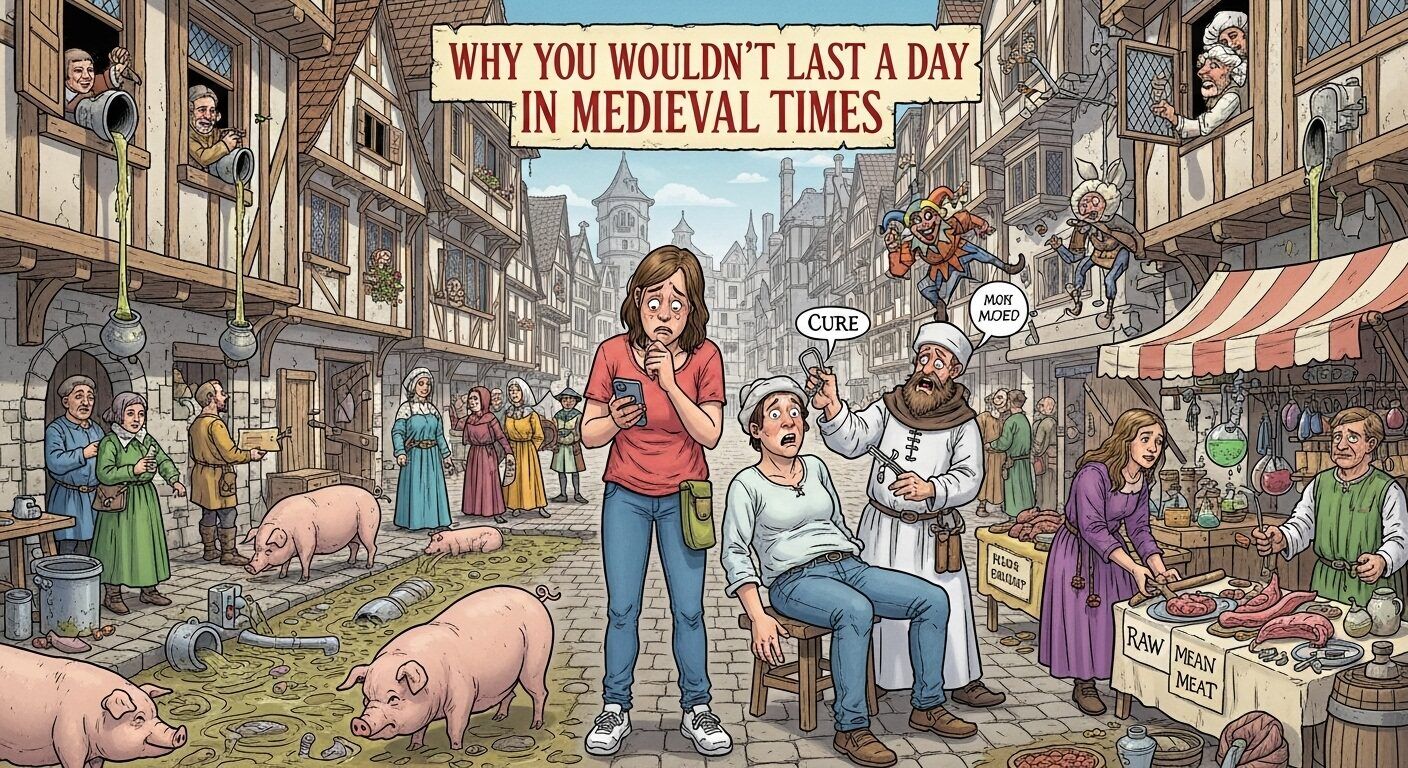
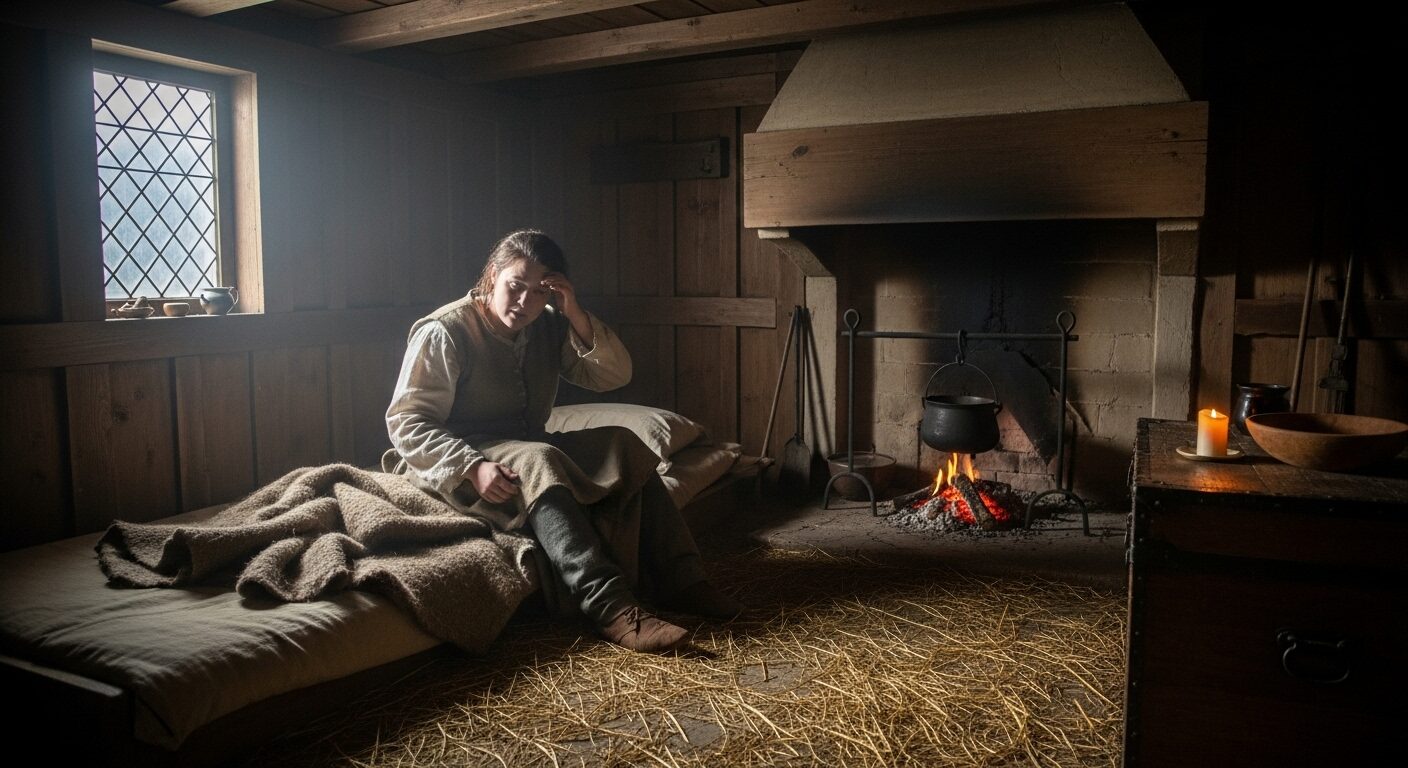
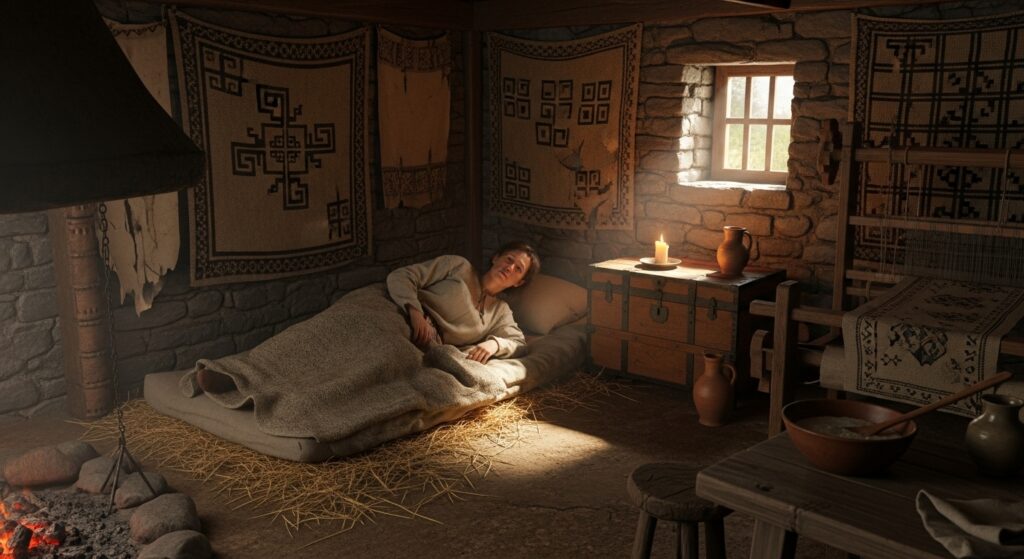
Your first morning in 1300 would be jarring. There’s no alarm clock—instead, church bells ring before dawn, signaling the start of another day governed entirely by sunlight. The air smells different: a mixture of wood smoke, animals, and unwashed bodies. Indoor plumbing doesn’t exist, and your “bathroom” is a chamber pot or a trip to the privy out back.
A World Without Modern Conveniences
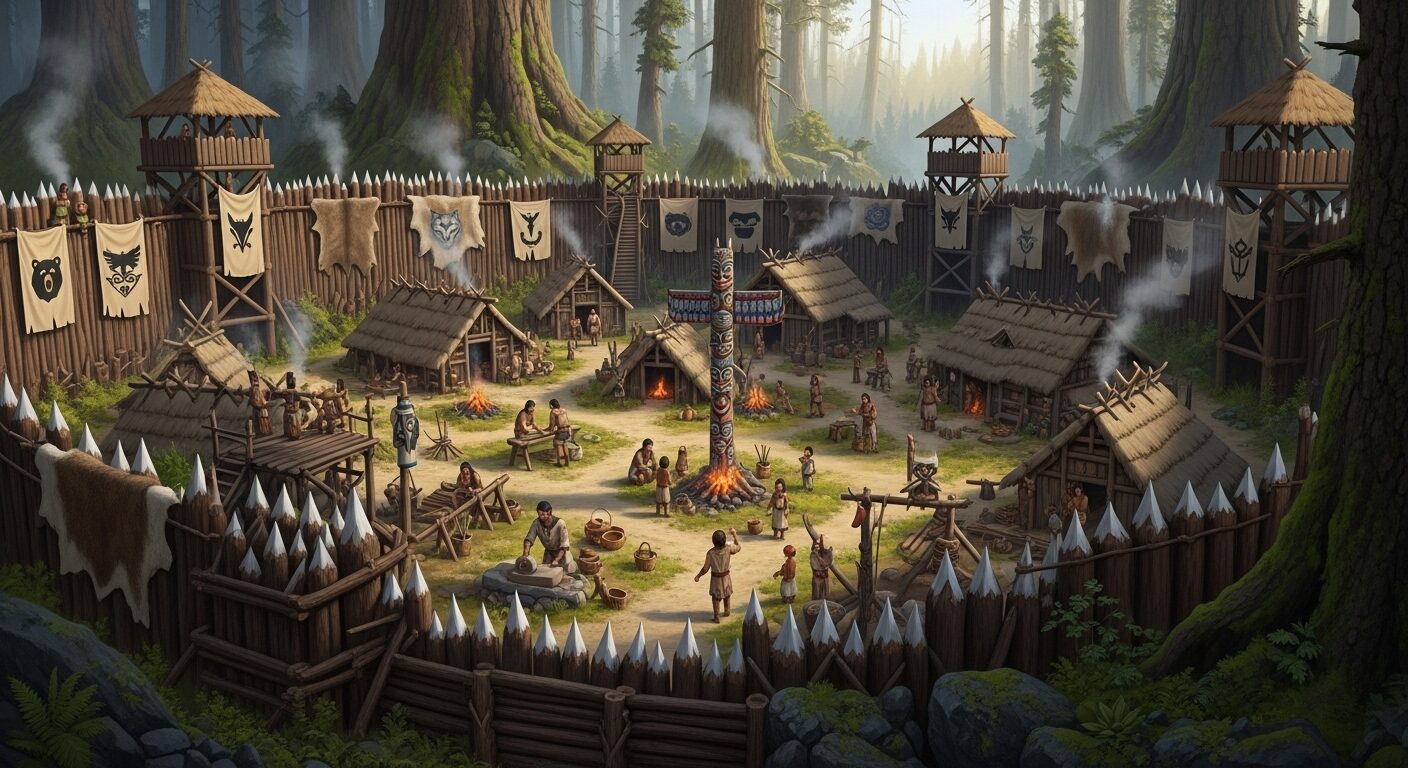
Imagine a life where electricity, running water, and modern medicine are centuries away. In 1300, most people lived in small villages, rarely traveling more than a few miles from their birthplace. Your entire world would shrink to what you could see from the nearest hilltop.
Daily Life in Medieval Times
Life in 1300 revolved around survival and hard work. If you were a peasant—which statistically, you almost certainly would be—your day meant backbreaking labor in the fields. You’d work from sunrise to sunset, using simple tools that hadn’t changed much in centuries.
Your typical day might include:
- Rising at dawn to tend animals and crops
- Eating a simple breakfast of bread and ale (yes, even for breakfast—the water wasn’t safe to drink)
- Working the land using manual labor and basic tools
- Participating in the feudal system, giving a portion of your harvest to the local lord
- Retiring at dusk, as candles and oil lamps were expensive luxuries
The Medieval Diet: Feast or Famine
Forget about diverse, year-round produce. Your diet in 1300 would depend entirely on the season and your social status. Peasants survived mainly on:
- Dark bread made from rye or barley
- Pottage (a thick vegetable stew)
- Occasional meat, usually pork or chicken
- Cheese and eggs when available
- Ale or weak beer (safer than water)
The wealthy enjoyed spiced meats, fine breads, and imported luxuries, but even they had no coffee, chocolate, tomatoes, or potatoes—foods that hadn’t yet reached Europe from the New World.
Health and Medicine in the 1300s
This might be the most shocking aspect of medieval life. Medical knowledge was primitive and often dangerous. Doctors believed in the four humors (blood, phlegm, yellow bile, and black bile) and treated illnesses with bloodletting, leeches, and herbal remedies of questionable effectiveness.
A simple infection could be a death sentence. Childbirth was extremely dangerous for both mother and baby. Life expectancy hovered around 30-35 years, though if you survived childhood, you might live into your 50s or 60s.
Social Structure and Your Place in It
Medieval society was rigidly hierarchical. You were born into your station, and social mobility was virtually non-existent:
The feudal pyramid included:
- The king at the top
- Nobles and lords who controlled the land
- Knights who provided military service
- Clergy who held spiritual (and often political) power
- Peasants and serfs who worked the land
Your entire identity would be tied to your birthplace, occupation, and lord. Freedom as we understand it simply didn’t exist for most people.
Entertainment and Community Life
Life wasn’t all grim, though. Medieval people found joy in:
- Religious festivals and holy days (many more than we have now)
- Market days where people gathered to trade and socialize
- Storytelling, music, and simple games
- Seasonal celebrations like harvest festivals
The church was the center of community life, providing not just spiritual guidance but also social structure, education (for the few), and entertainment.
The Threat of Violence and Disease
The year 1300 was relatively peaceful compared to what came later, but violence was never far away. Bandits roamed the roads, local disputes could turn deadly, and war between lords was common.
Even more terrifying, the Black Death was only a few decades away. By 1348, it would wipe out nearly half of Europe’s population—a catastrophe unimaginable in our modern world.
Would You Survive?
Honestly? Probably not for long. Without immunity to medieval diseases, lacking the physical conditioning for manual labor, and missing basic survival skills that every medieval person knew, a modern person would struggle immensely in 1300.
You’d miss things you never thought about: painkillers for a toothache, glasses if you need them, tampons, deodorant, soft toilet paper, comfortable shoes, and weather-appropriate clothing that actually fits.
The Value of Perspective
Exploring life in 1300 isn’t just about satisfying curiosity—it’s about gaining perspective on how far humanity has come. It helps us appreciate modern medicine, food security, human rights, and the countless small conveniences we take for granted every day.
Dive Deeper Into Medieval Life
This blog only scratches the surface of what daily life was truly like in the year 1300. Want to experience a more immersive journey through medieval times?
Watch the full, detailed exploration on History Candle’s YouTube channel: “Imagine Waking Up in the Year 1300”
In this comprehensive video, you’ll discover even more fascinating details about medieval society, culture, and daily survival. History Candle brings the past to life with engaging storytelling and historical accuracy that will transport you back seven centuries.
👉 Click here to watch the full video now and don’t forget to subscribe to History Candle for more captivating historical content!
What aspect of medieval life surprises you most? Share your thoughts in the comments below, and let us know what historical period you’d like to explore next!